Asia
Things to do in Sigiriya and Habarana
Aug
Speaking of things to do in Sigiriya and things to do in Habarana, it’s more or less the same. These two towns are practically neighbors and form a crucial part of Sri Lanka’s famed Cultural Triangle. Think ancient history, stunning landscapes, and maybe even a few elephants!
Since it’s hard to separate the two in terms of travel, I’ve decided to do one blog post to include the things to do in Sirgirya and Habarana!
Table of Contents
Getting to Sigiriya/Habarana
Traveling from Colombo to Sigiriya or Habarana is straightforward and offers a few options depending on your preference for comfort and budget.
Colombo to Sigiriya or Habarana
Train from Colombo to Habarana
Route: Take a train from Colombo Fort Station to Habarana.
Estimated Time: The journey takes about 6-7 hours.
Cost: Approximately LKR 300-800, depending on the class of travel.
You can take a taxi to Sigiriya, which is only 30 minutes away. Your accommodation should be able to arrange it for you!
Colombo to Habarana Bus
Regular buses leave from Colombo’s Bastian Mawatha Bus Terminal (Pettah) to Dambulla. Look for buses No. 15 to Anuradhapura, No. 48 to Kaduruwela (Polonnaruwa), or No. 49 to Trincomalee. From Dambulla, you’ll need to transfer to a local bus to Sigiriya. The entire journey takes approximately 5-7 hours and costs around LKR 200-400.
I don’t actually recommend taking the bus unless you are going to backpack. If you do want to try, keep in mind that schedules can vary, so it’s always a good idea to check locally at the bus station for the most up-to-date information.
Taxi or Private Car from Colombo to Habarana or Sigiriya
Renting a taxi or booking a private car offers a more comfortable and direct route. This journey typically takes 3-4 hours and costs around LKR 8,000-12,000, depending on the vehicle and negotiation.
Kandy to Habarana or Sirigirya
There are no direct buses from Kandy to Sigiriya. You will need to take a bus from the Kandy Goods Shed Bus Station to Dambulla (look for buses #41-2 to Kaduruwela, #42-2 to Anuradhapura, or #45 to Trincomalee) and then transfer to a bus to Sigiriya.
The total travel time is about 2.5-3 hours to Dambulla, plus 30 minutes to Sigiriya. The cost is approximately LKR 200-400.
As with the Colombo route, checking with locals at the Kandy bus station is recommended for the most accurate bus schedule.
Taxi or Private Car from Kandy to Habarana or Sigiriya
Hiring a taxi or private car provides a more comfortable and quicker journey. This option takes approximately 2-2.5 hours and costs around LKR 5,000-8,000.
Things to do in Sigiriya
Sigiriya Rock

Sigiriya Rock Fortress, often referred to as the “Lion Rock,” is one of Sri Lanka’s most iconic landmarks and a UNESCO World Heritage site. Rising nearly 200 meters above the surrounding jungle, this ancient rock fortress was constructed during the reign of King Kasyapa (477-495 AD), who chose it as his royal capital.

The site is renowned for its impressive architecture that integrates the entire rock to resemble a lion resting on its paws, including the remains of a magnificent palace at the summit. You can get up to the palace by a series of stairs.
At the top, you can visit its extensive gardens, which are among the oldest in the world, and admire the impressive frescoes that adorn the walls, depicting celestial maidens from the king’s era.
Climbing Sigiriya Rock

Climbing Sigiriya Rock is a pilgrimage to many Buddhists in the country and beyond, and it’s not an easy feat with approximately 1,200 steps. Most visitors hike up during the early hours of the morning to avoid the heat but the staircases are still fairly steep and narrow, so best to assess your physical level before you start the journey, as the entry fee for tourists are on the expensive side.

The stairs are divided into various sections, with some steep and narrow passages that require careful footing. On average, the climb takes about 1 to 2 hours, depending on your fitness level and the number of stops made along the way to admire the views and historical features.

The most notable point of interest is the Lion’s Paw that everyone walks through in the middle of the ascent, and the Mirror Wall. The view is beautiful as well as you climb up, and you should spend some time roaming the gardens and the palace before you descend.
Frescoes of Sigiriya

The frescoes of Sigiriya are among the most remarkable features of the rock fortress, showcasing the artistic brilliance of ancient Sri Lanka. Dating back to the 5th century AD, these paintings are believed to have been created during the reign of King Kasyapa. The frescoes depict celestial maidens, or “Apsaras,” in various poses, adorned with intricate jewelry and vibrant colors. Scholars suggest that these images may represent the king’s courtiers or symbolize divine beings, emphasizing the blend of earthly and spiritual beauty. The frescoes are painted on the western wall of the rock, a location that benefits from natural lighting, enhancing their visual appeal.

The style of the frescoes is notable for its use of bold colors and fluid lines, typical of the Anuradhapura period’s artistic traditions. The paintings were originally much more extensive, covering a significant portion of the rock face, but many have faded over the centuries due to exposure to the elements and human interference. Preservation efforts have been initiated to protect these invaluable artworks, including controlled access to the site and the implementation of conservation techniques to stabilize the painted surfaces. The ongoing preservation work aims to maintain the integrity of the frescoes while allowing visitors to appreciate their beauty.
Opening times: 5:00 – 18:30, last ticket at 17:00, fresco last entry 17:45
Entry fee: 35 USD (includes the museum)
Pidurangala Rock

Although it should not be considered a substitute for Sigiriya, the Pidurangala Rock is sort of a sibling to Sigiriya. It’s a towering rock about 3km away and a shorter hike up that offers a stunning view to Sigirya and the surrounding.
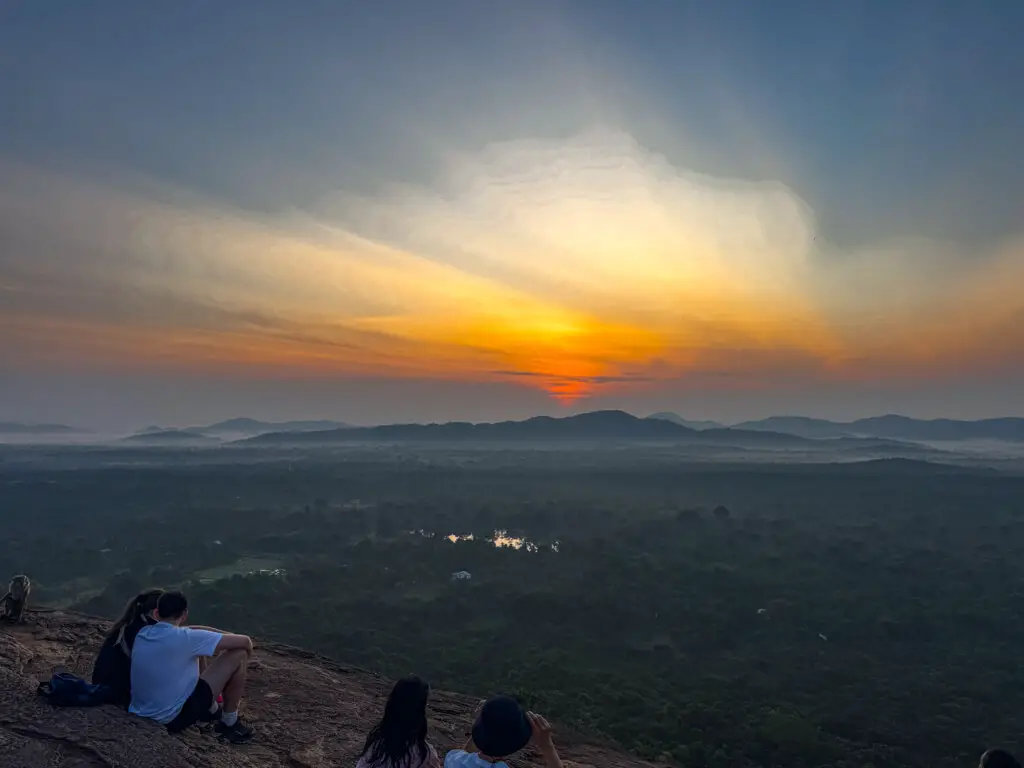
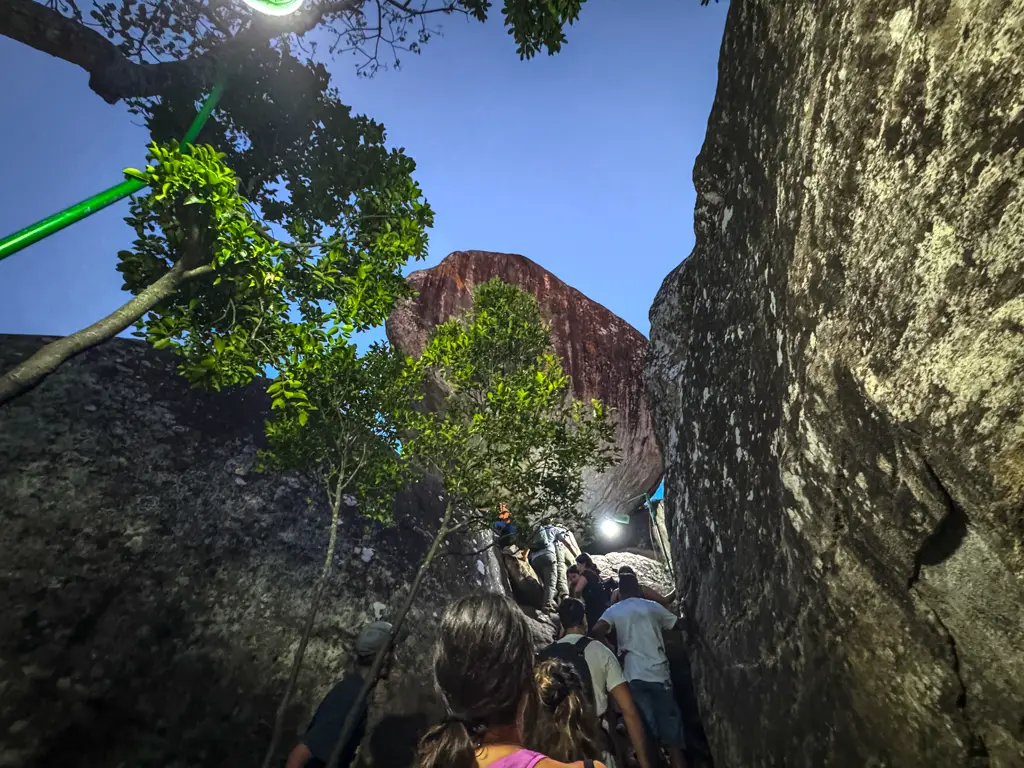
Most people hike up for the sunrise, and it’s well worth the trek! More about the hike on my blog post belong.
Note: there is an entrance fee but it’s not as much
Things to do in Habarana
Hurulu Eco Park Safari
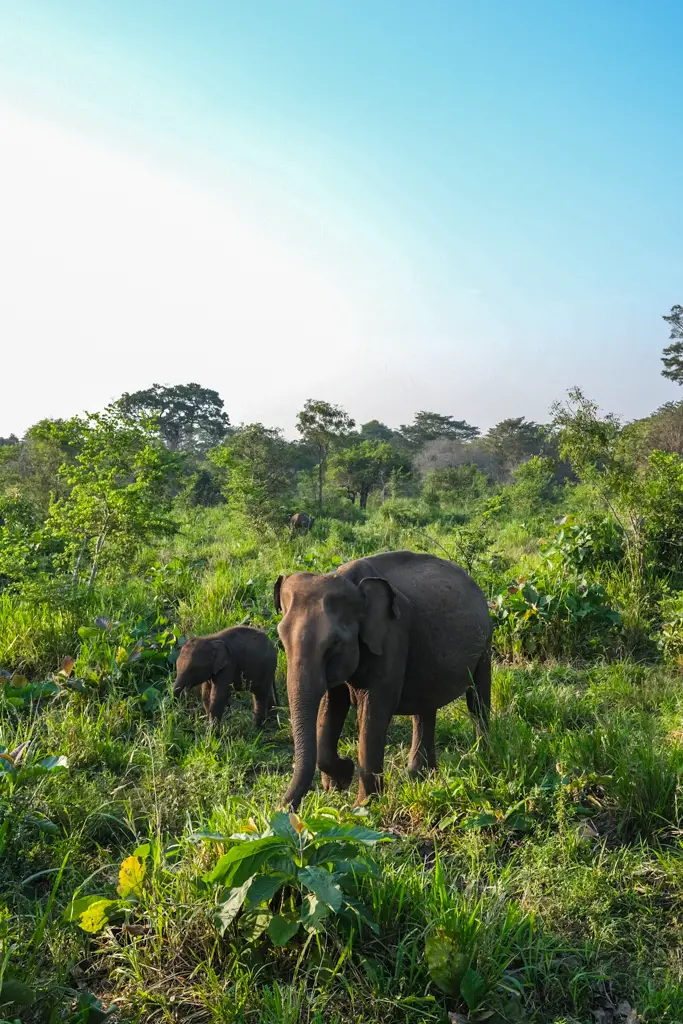
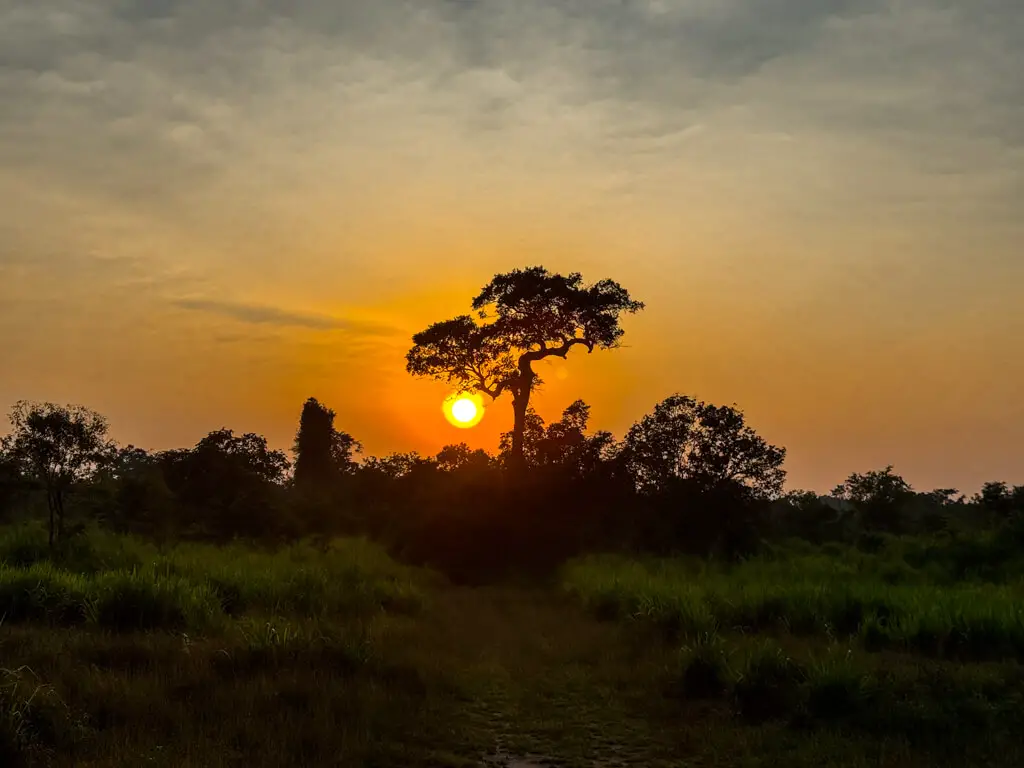
Hurulu Eco Park Safari is one of the best places to see elephants in Sri Lanka. It’s also conveniently a short drive from Habarana, the park spans over 2,500 hectares of lush greenery and serves as a sanctuary for other wildlife too, including deer, leopards, and over 200 bird species.
You can see it all on a Jeep safari, either in the early morning or evening. You can see my full review here:
Habarana Train Station
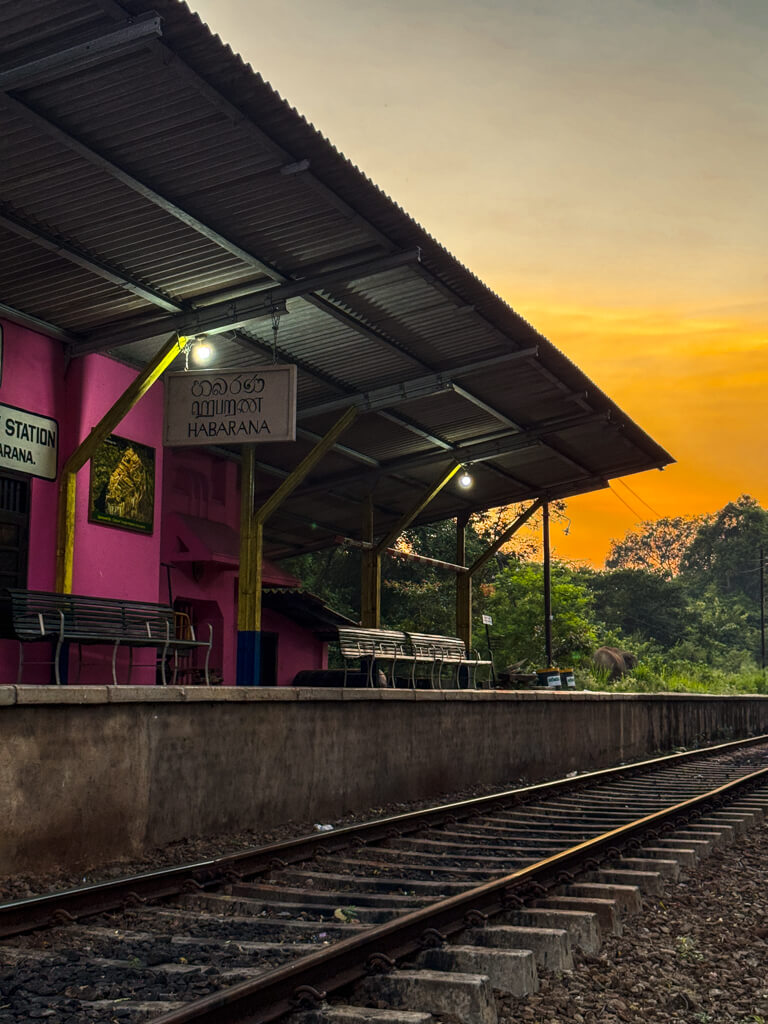
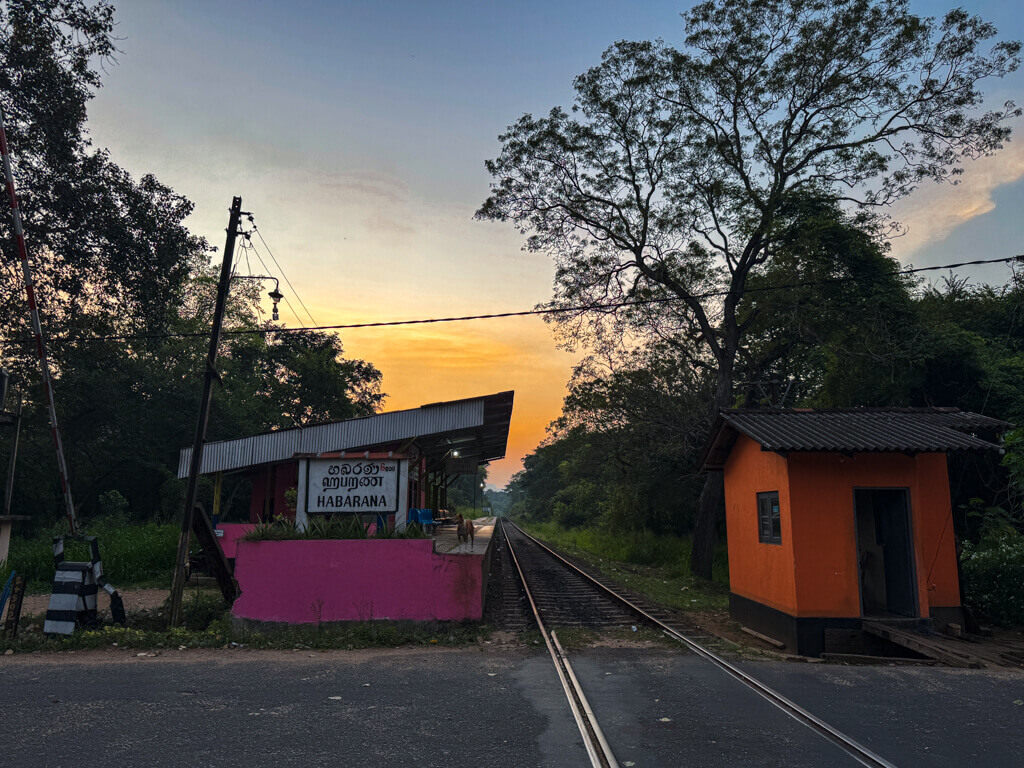
If you are heading to Hurulu Eco Park from Habarana, then don’t overlook the charming Habarana Train Station which is along the way!
Established in the early 1900s, this small station is a vital link on the Colombo–Batticaloa line, and shockingly a place that sometimes see an elephant or too.
Hiriwaduna Village
The Hiriwaduna Village Tour offers a glimpse into traditional Sri Lankan rural life for half a day and makes for a fun cultural immersion trip while you are in the area. Located near Habarana, it takes you through a journey that stimulates Sri Lanka life in the villages before modernisation.
Bullock Cart Ride
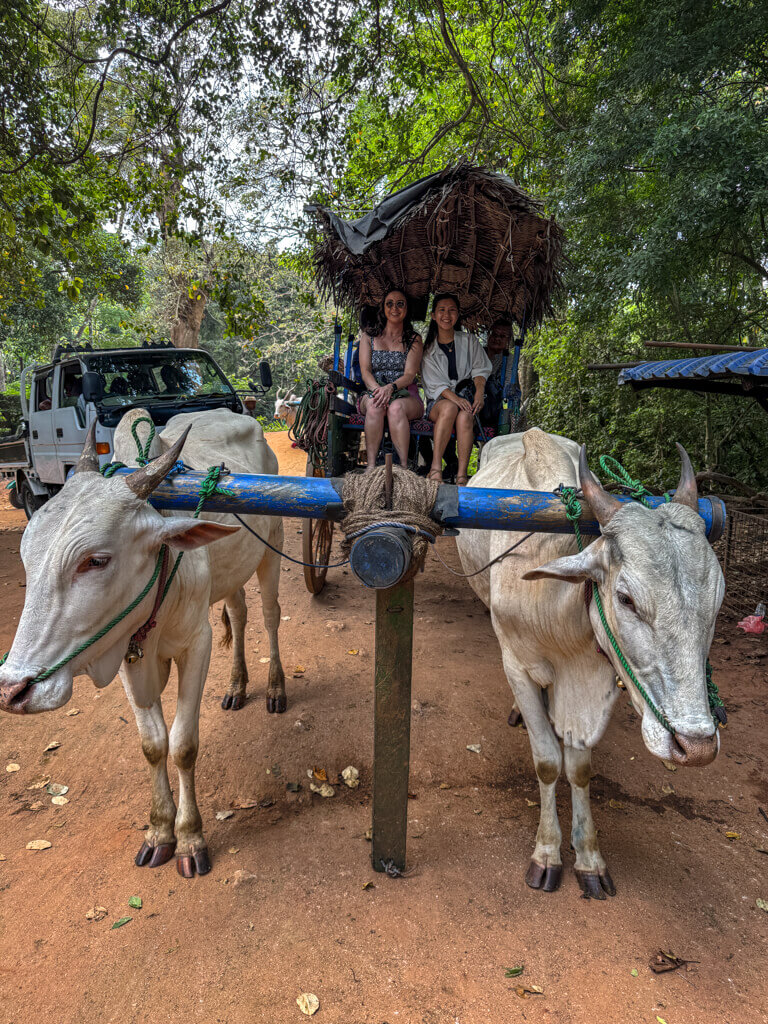
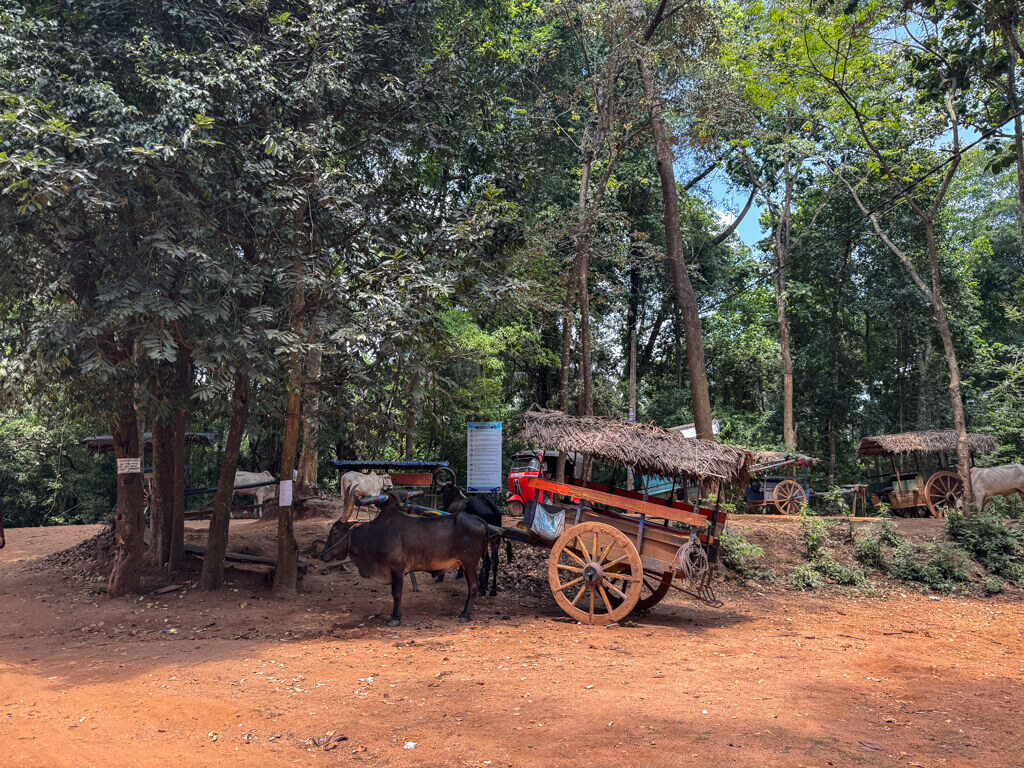
The journey starts with a walk to meet the bullock cart that will take you on a ride through the countryside. It is a very rickety ride but fun – and you can opt to talk to the next meeting point if you prefer not to be driven by a bullock cart.
Canoe Ride
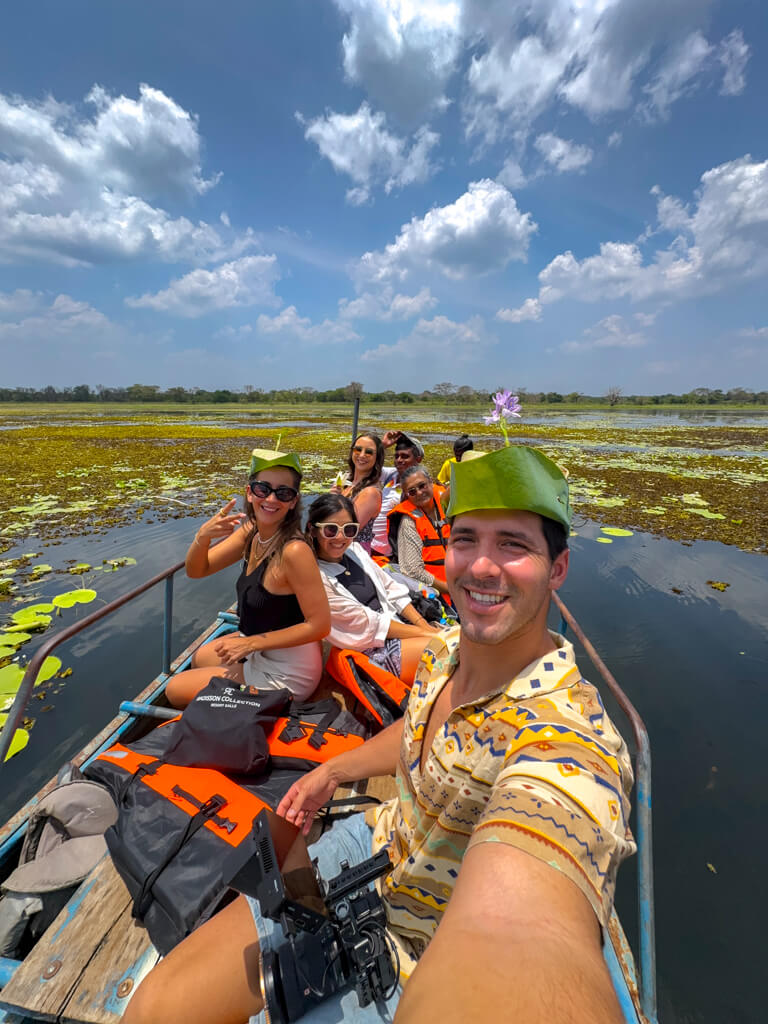
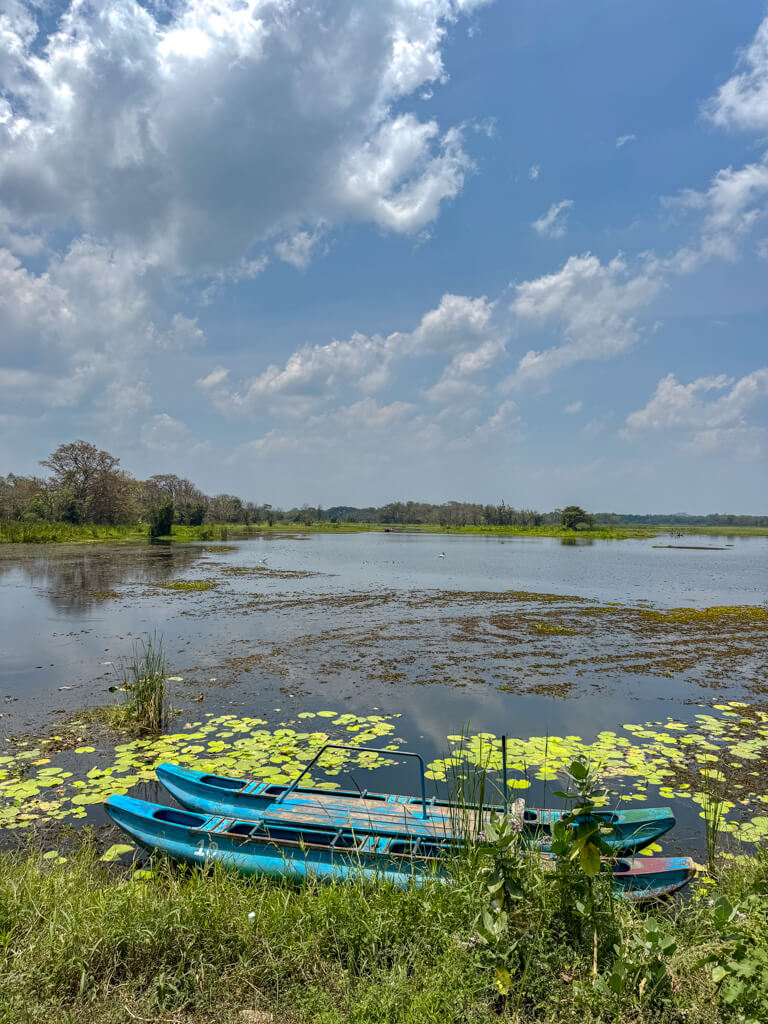
Next up is a boat ride across the Hiriwaduna Lake, where we also saw some storks! Our boat captain made it a fun experience, steering us towards patches of water plants to admire the water lilies and also weaving us crowns and necklaces.
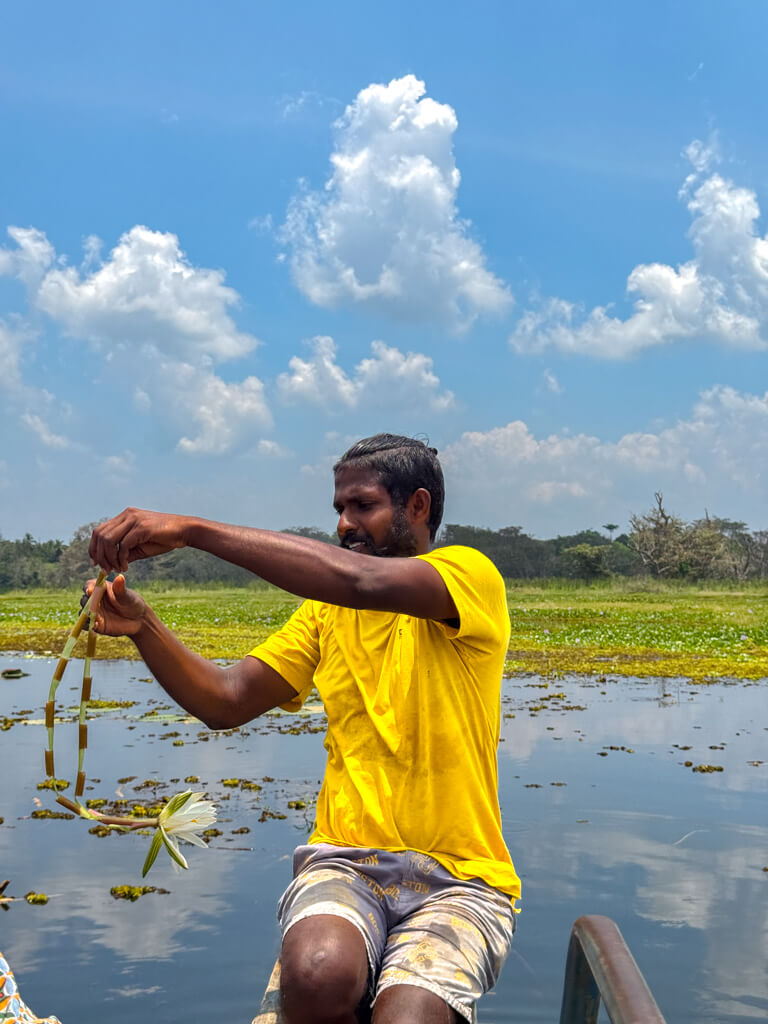
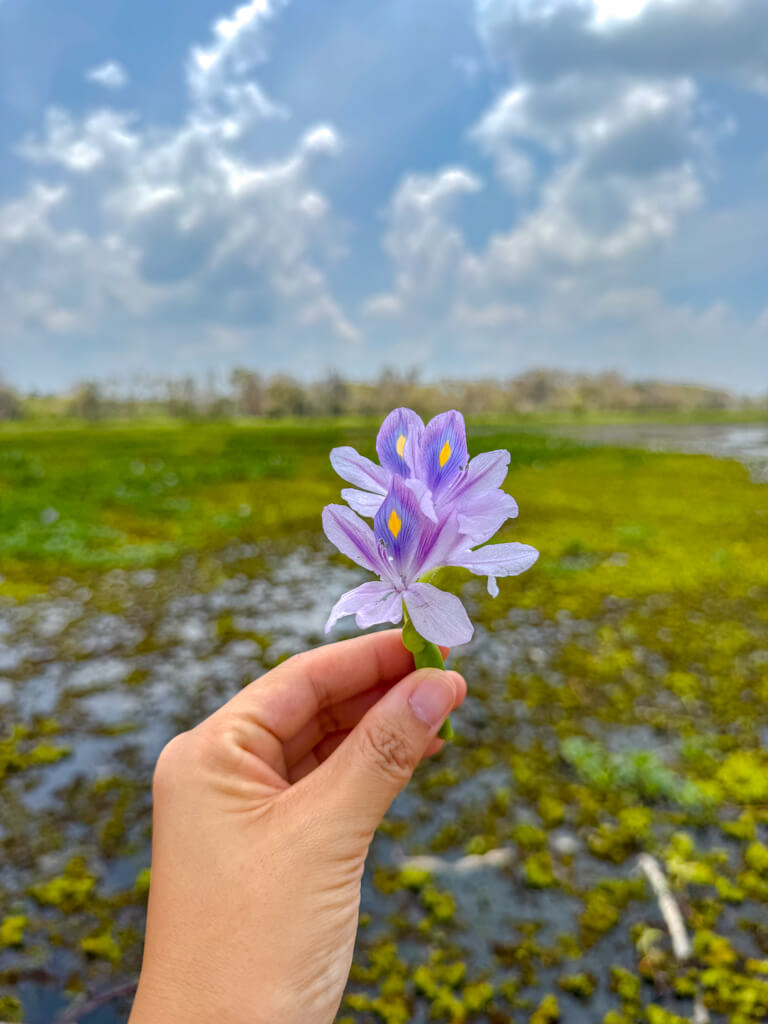
There are also many dragonflies and birds to spot! And the canoe takes us directly to the village where we will be spending the rest of the tour.
Cooking Class
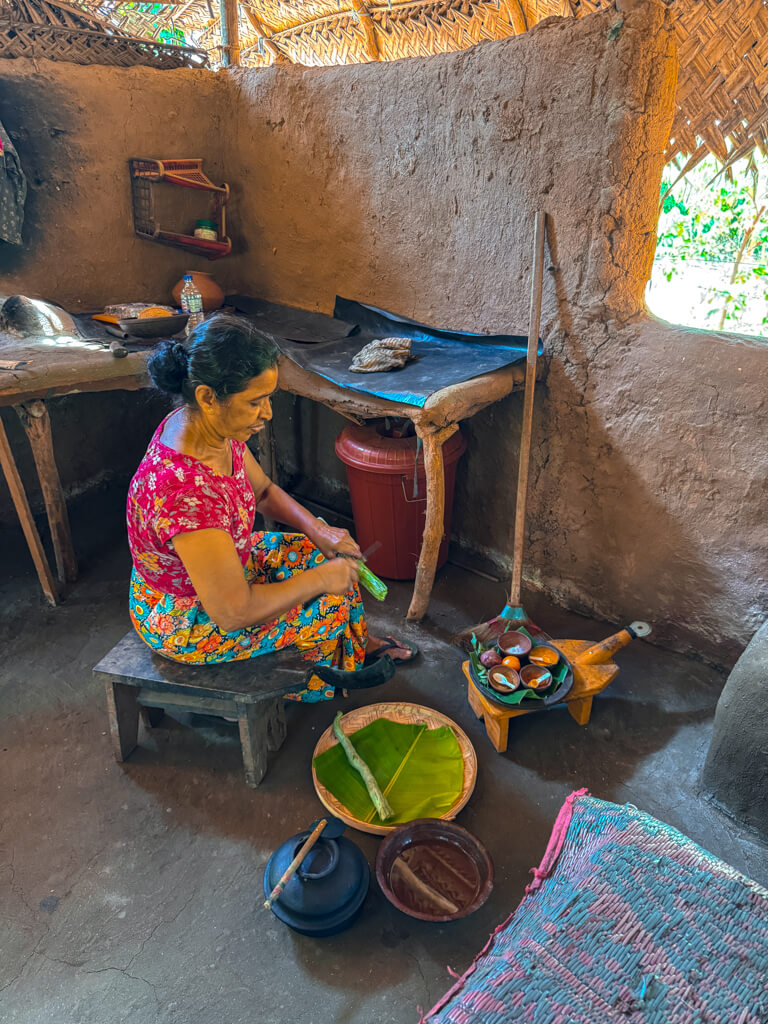
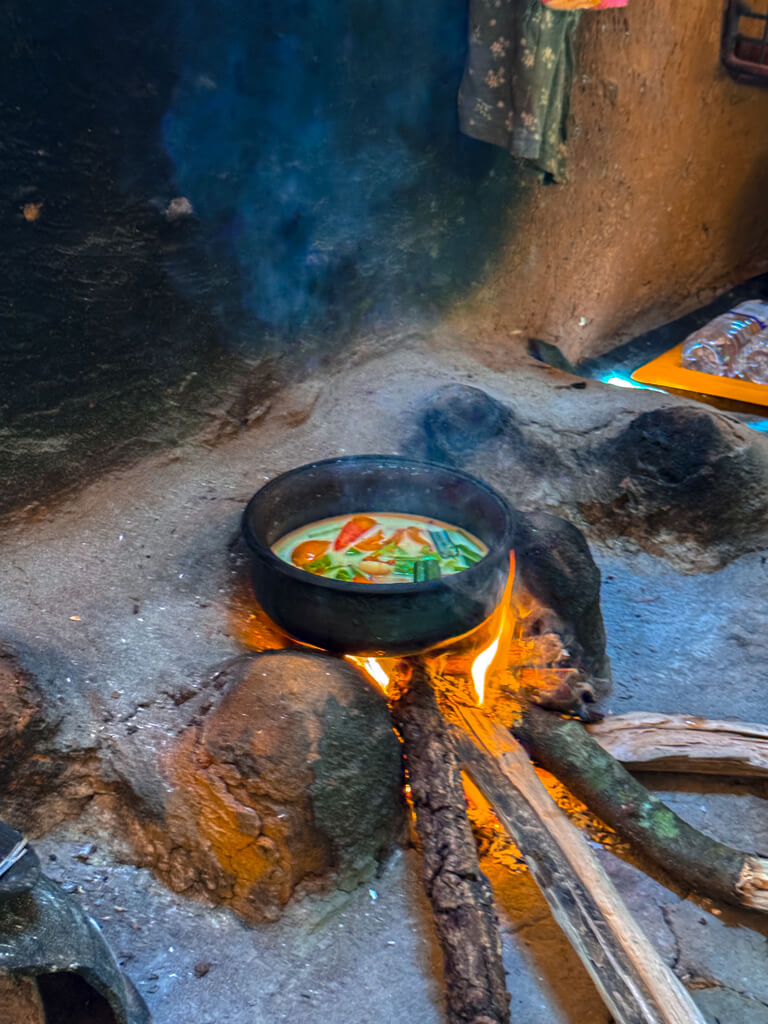
The village was kept in its traditional Sri Lankan way and structure so visitors can experience the culture the way it was. We had our own little hut where a lovely lady had started preparing our lunch, and we got to help out.
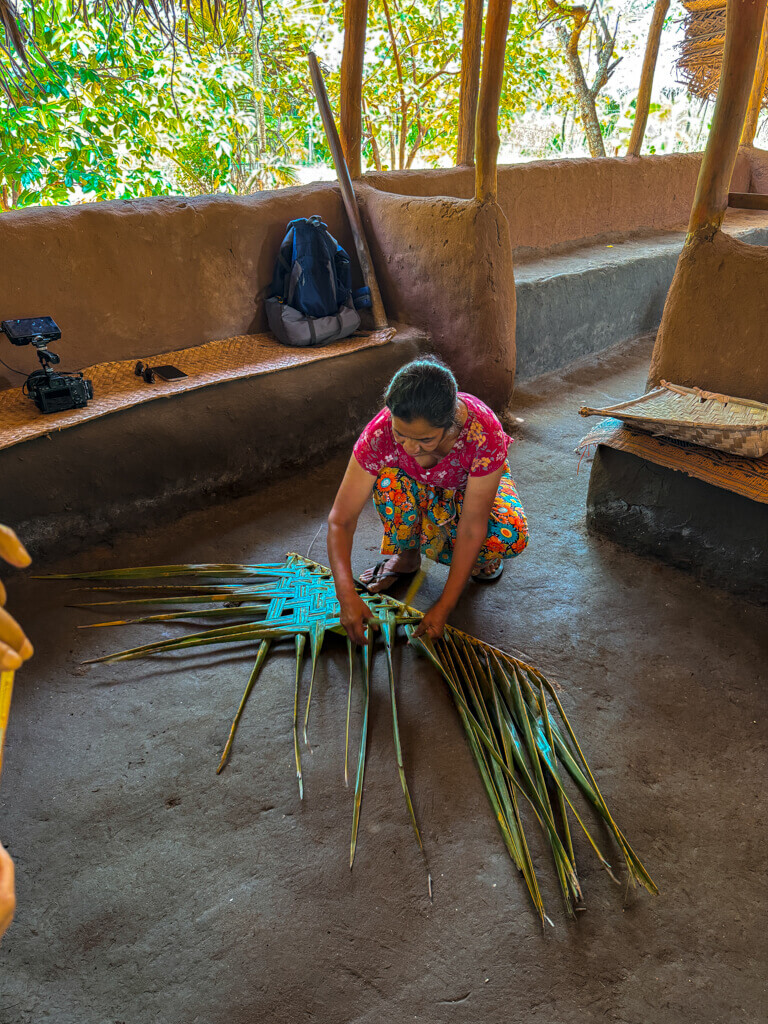
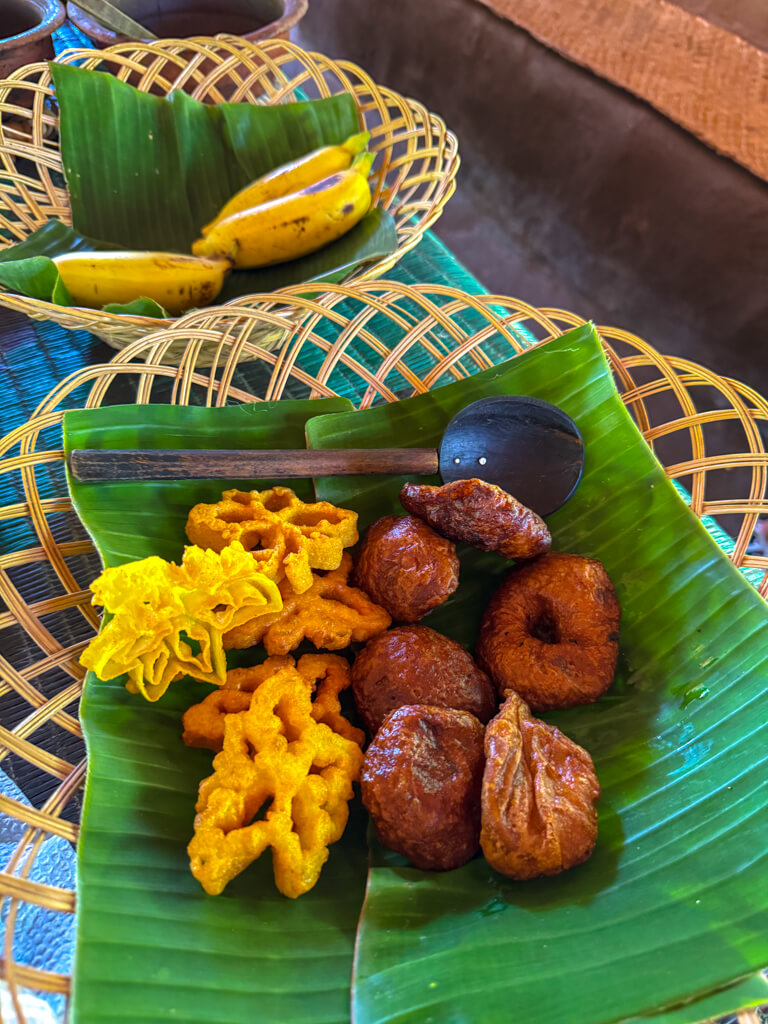
All of us took turns trying to shave a coconut and making coconut milk, and helping to cook the coconut curry. Meanwhile, another Sri Lankan lady came in and helped prep the 12 different dishes that we were going to have for lunch! Did I mention that there are 3 types of rice?
We also tried to deshell the rice the old well with a huge pestle and motar, and it was hard even though they tried to teach us the rhyme of it.
Elephant Road
Elephant Road is a strip of road between Habarana and Dambulla which cuts between two national parks, making it a common crossing point for elephants.
Every time we drove along this road, we had seen an elephant by the road or crossing the road. It’s important to note that you should not get out of your vehicle even if you want to take photos or videos of the elephants, as they might see you as a threat.
Things to do near Sigiriya and Habarana
Dambulla Cave
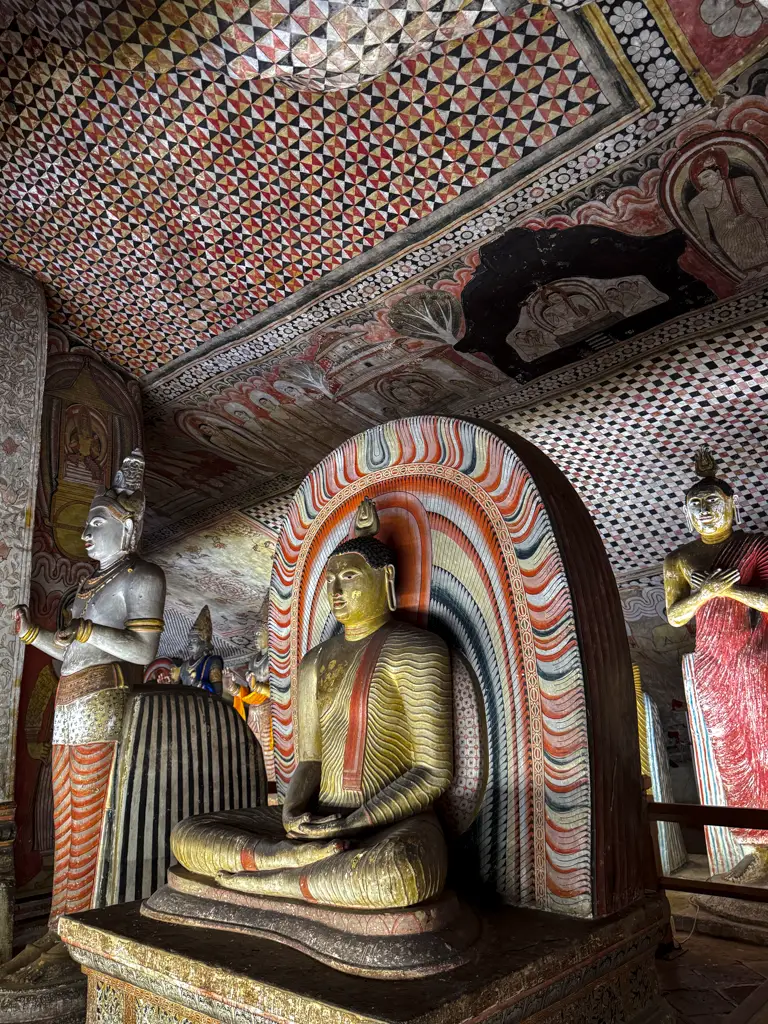

A short drive from Sigiriya, the Dambulla Cave Temple is another must-see UNESCO site. It’s my favourite part of the trip – to explore the five cave temples filled with stunning Buddha statues and intricate murals!
Aluvihare Rock Temple
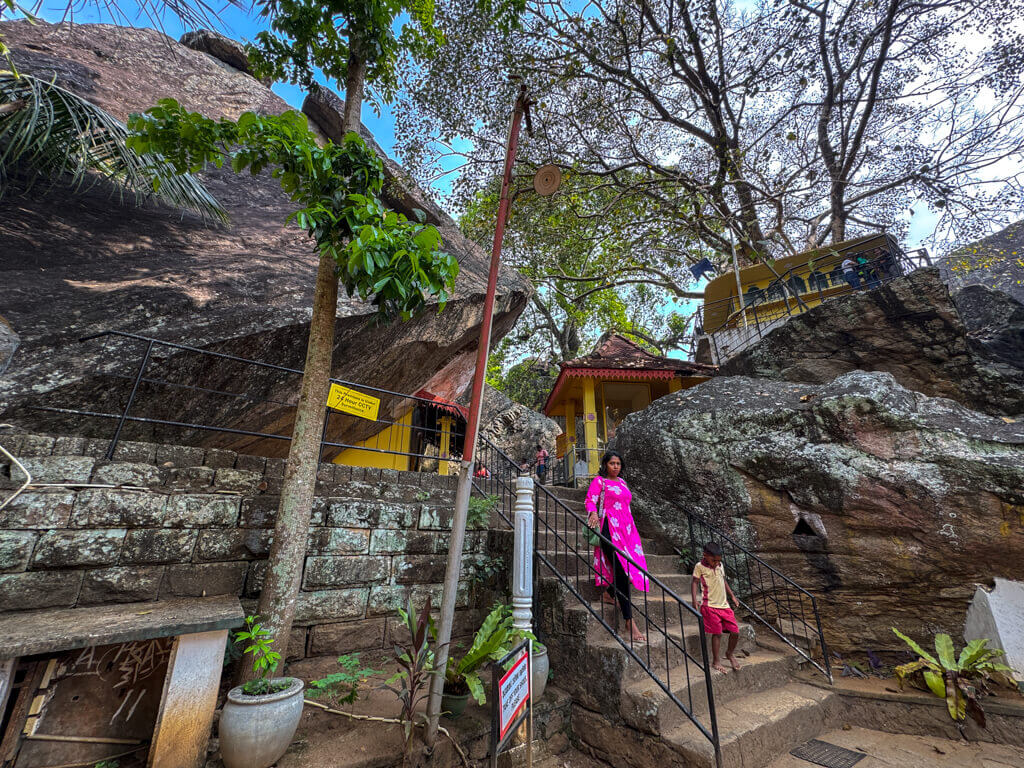
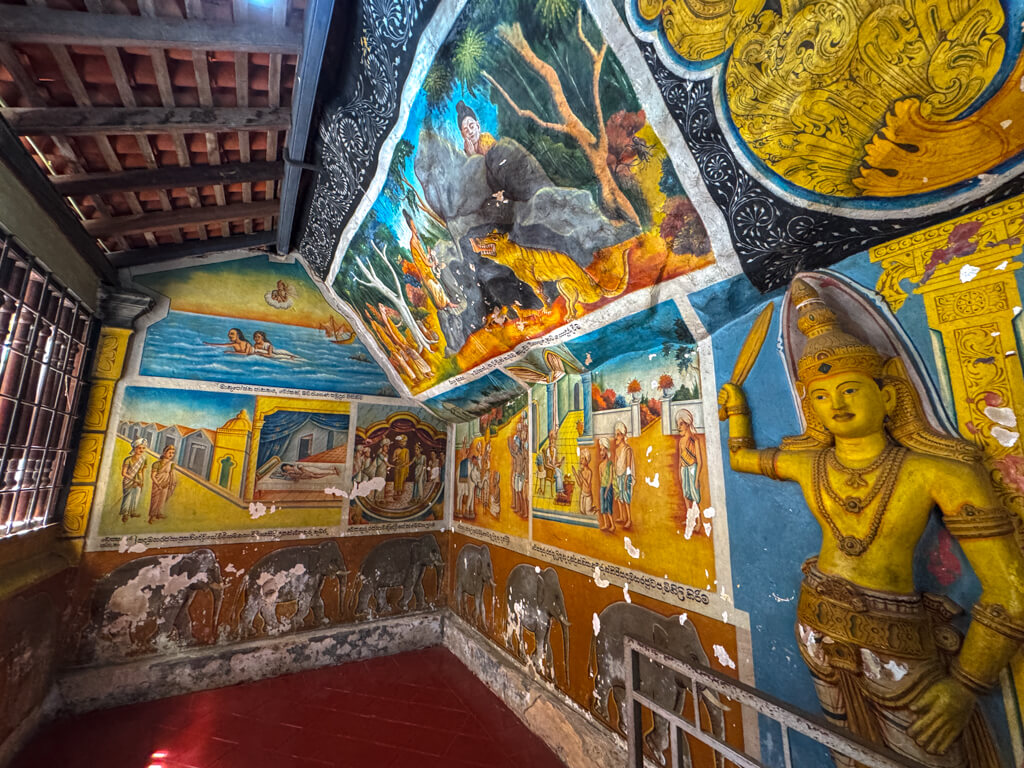
Aluvihare Rock Temple, located in the Matale District, is a significant Buddhist site that holds a unique place in Sri Lankan history. The temple dates back to the 3rd century B.C. and is renowned for being the location where the Pāli Canon was first transcribed onto palm leaves. That has helped preserve Buddhist teachings for future generations, making Aluvihare an essential pilgrimage and historical site for those interested in Buddhism.
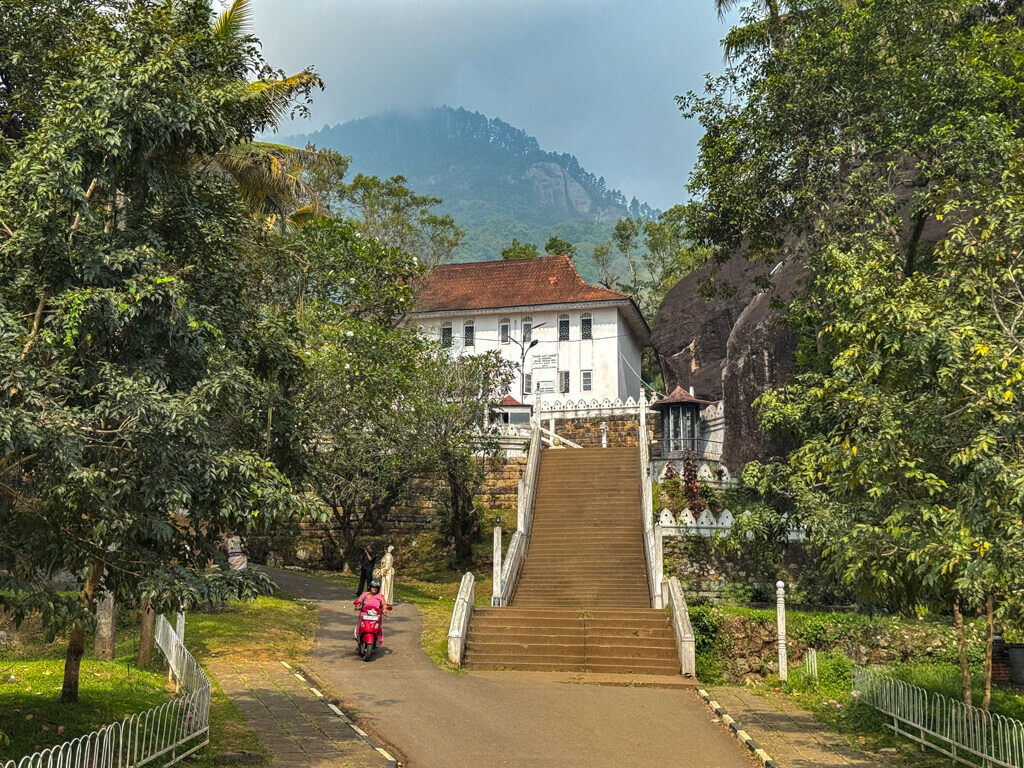
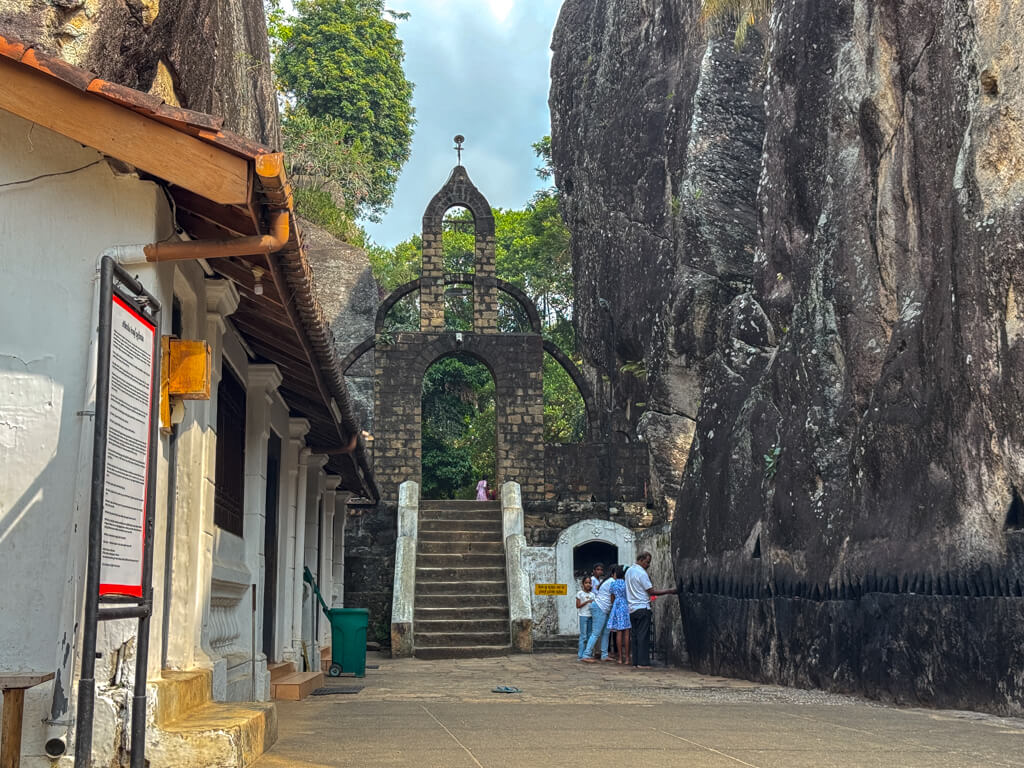
The temple complex looks unassuming from the road with a road entrance that leads to a flight of stairs that goes up to its entrance. Inside, you can visit the various temples and caves with vibrant murals and Buddha statues.
It also acted as a refuge for monks during famine and invasion during the reign of King Walagamba in the 1st century B.C., so if you are interested in Buddhism and Sri Lanka history, it’s worth a stop along the way.
Minneriya National Park

Minneriya National Park, located approximately 182 km from Colombo, is a prime destination for wildlife enthusiasts and nature lovers. Known for its elephant gathering, the park is part of an important elephant corridor that connects it with Kaudulla and Wasgamuwa National Parks.

Covering an area of 8,889 hectares, Minneriya is home to a diverse range of flora and fauna, including leopards, sloth bears, and over 170 species of birds. The park’s centerpiece is the renovated Minneriya Rainwater Reservoir, which plays a crucial role in sustaining the local ecosystem.

The best time to visit Minneriya is during the dry season, particularly from May to October, when large herds of elephants congregate near the reservoir to drink and feed. This spectacular gathering is a highlight for many visitors, offering an unparalleled opportunity to observe these majestic creatures in their natural habitat.
In addition to elephants, the park’s rich biodiversity makes it a haven for birdwatching, with species such as the globally endangered Lesser Adjutant and various endemic birds adding to the area’s allure.
Polonnaruwa
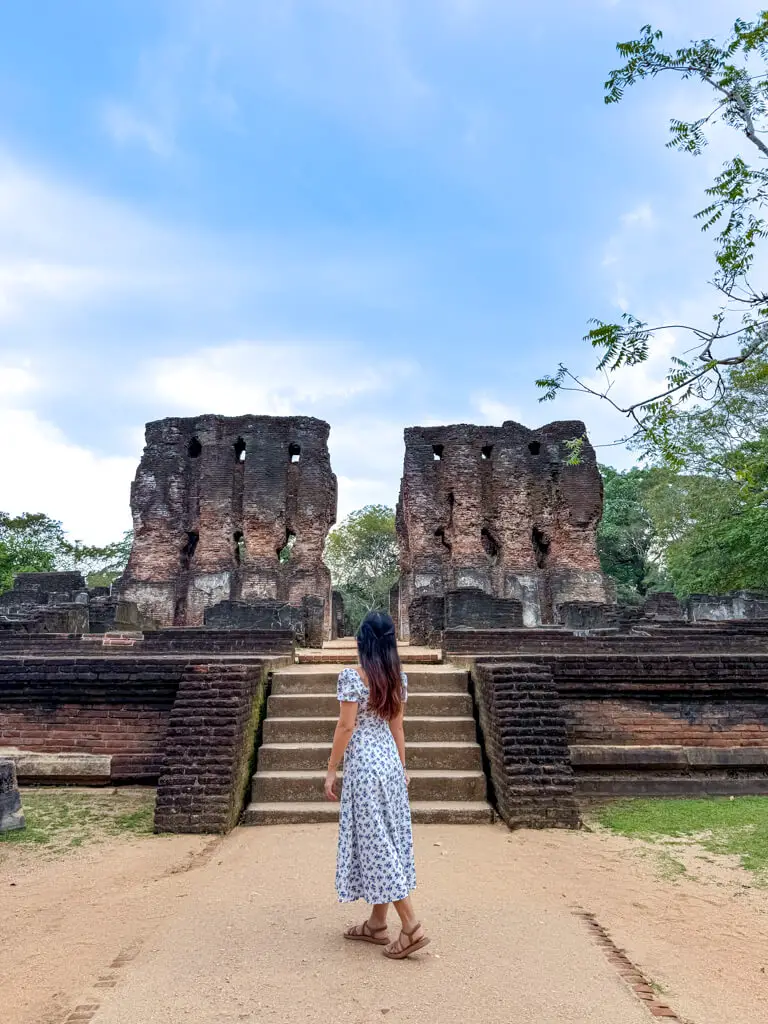
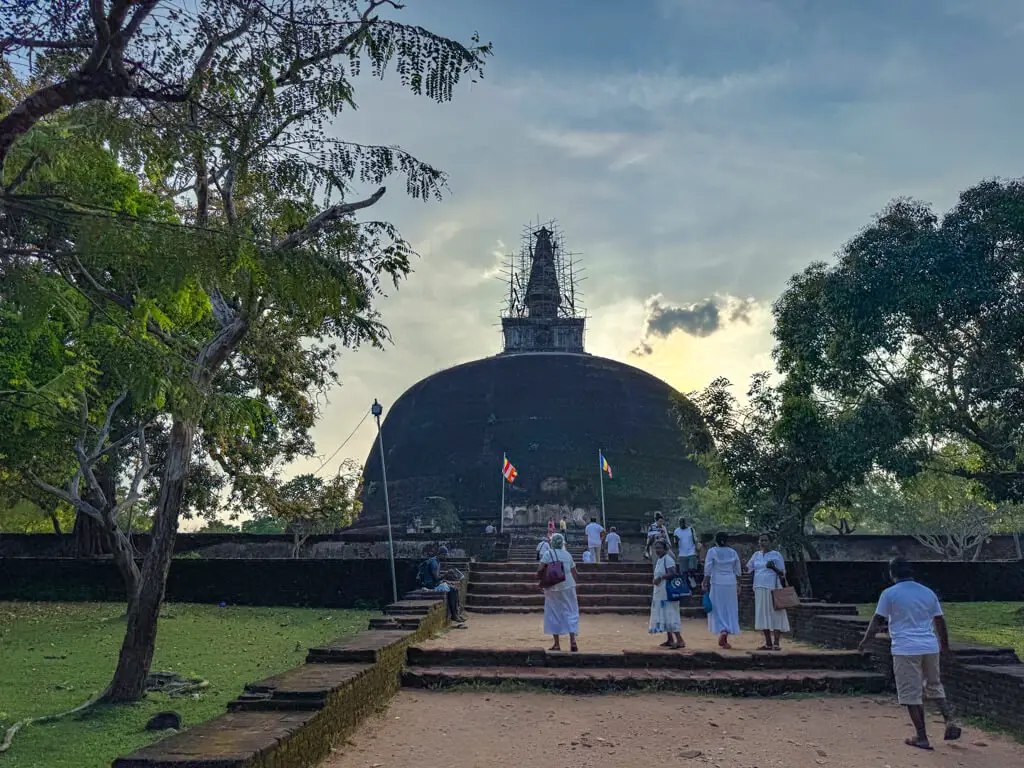
A trip to Polonnaruwa is like stepping back in time to the heart of Sri Lanka’s medieval civilization. As a UNESCO World Heritage Site, this ancient city boasts impressive ruins that showcase the architectural brilliance of the 11th and 12th centuries. From the majestic Royal Palace to the intricately carved Gal Vihara, which features stunning Buddha statues, there’s a wealth of history to explore.
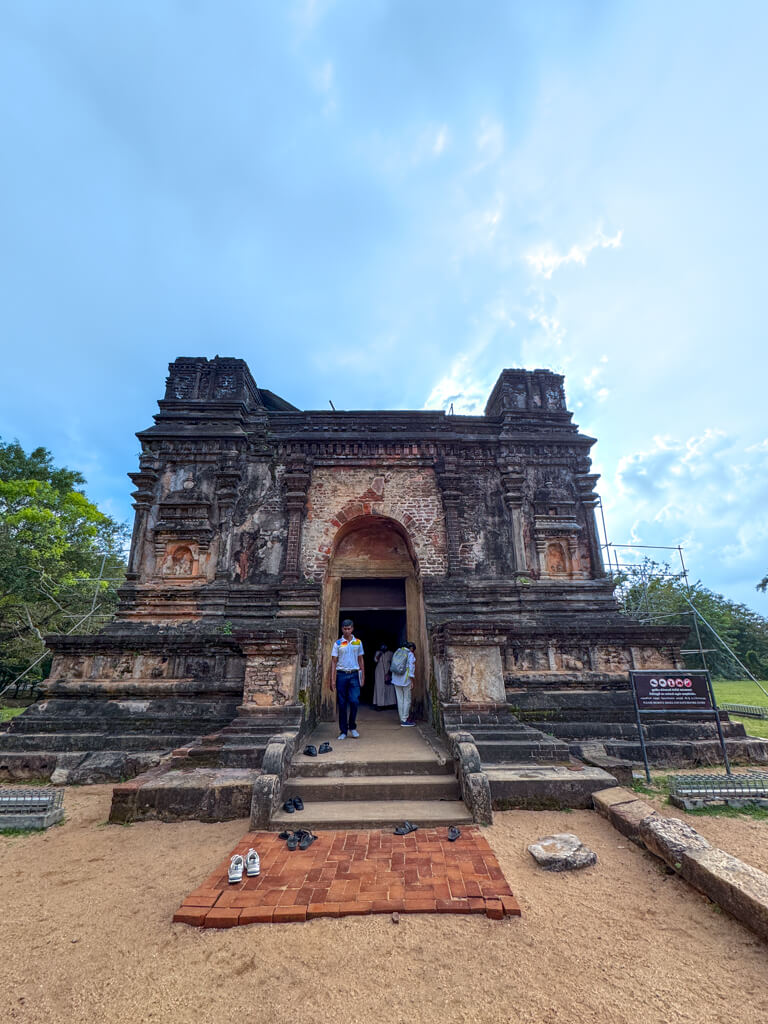
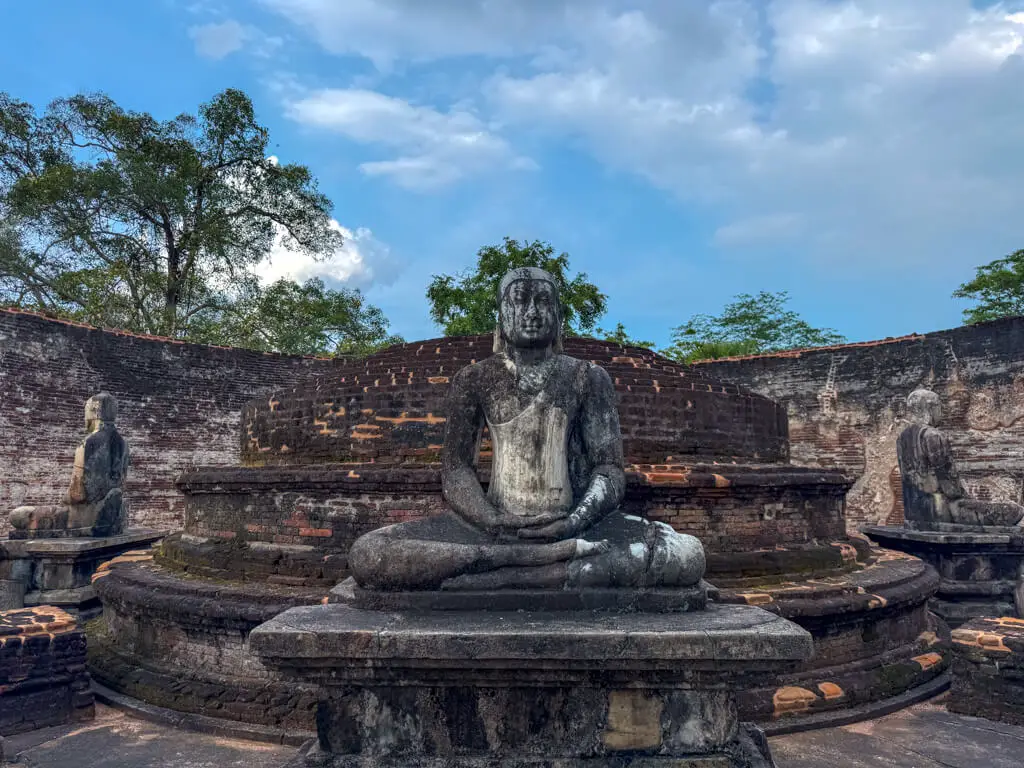
Polonnaruwa was the second capital of Sri Lanka after Anuradhapura, and it’s a must-visit if you like culture. More information on visit Polonnaruwa below.
Hotels in Sigiriya
Cinnamon Lodge Habarana
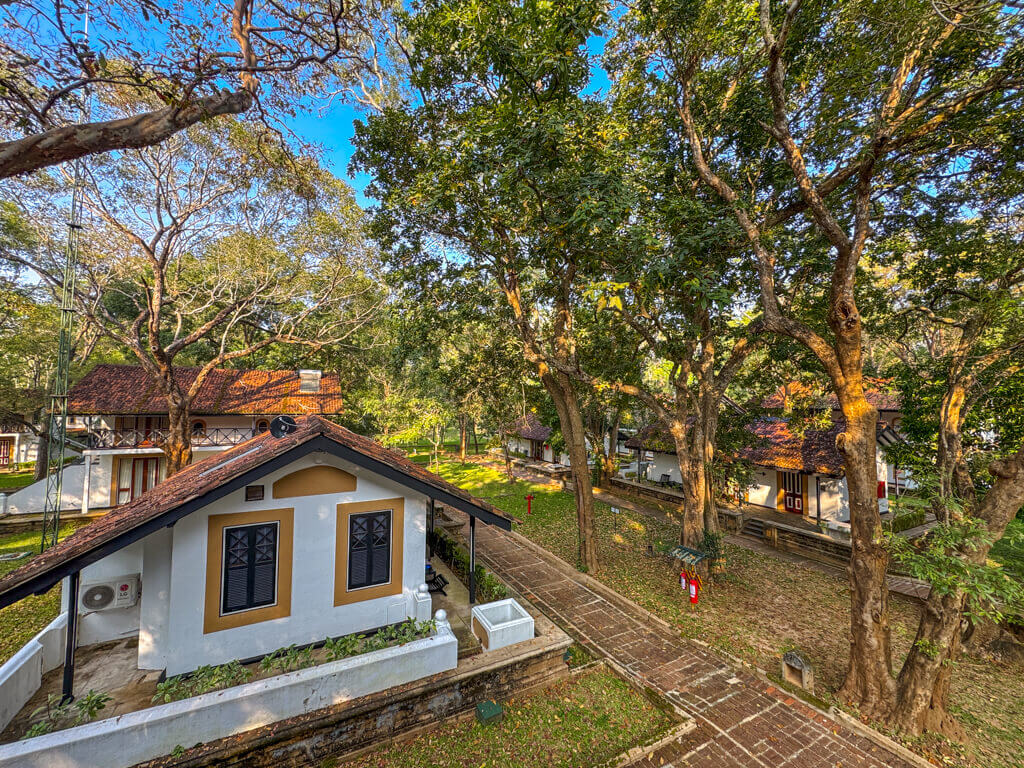
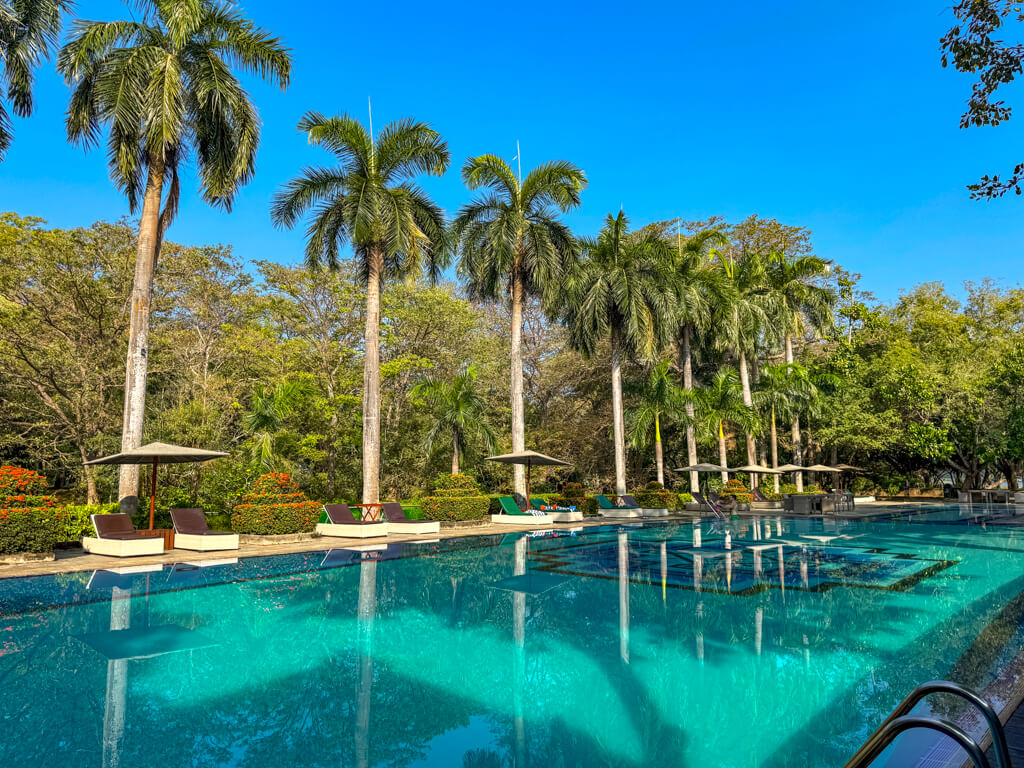
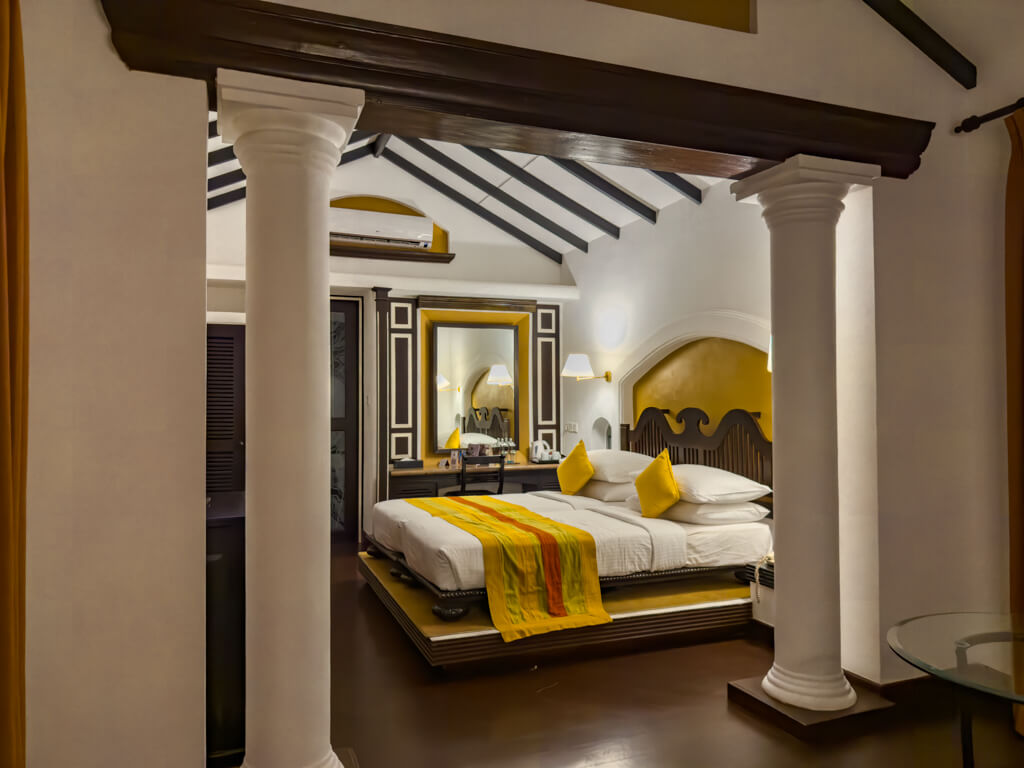
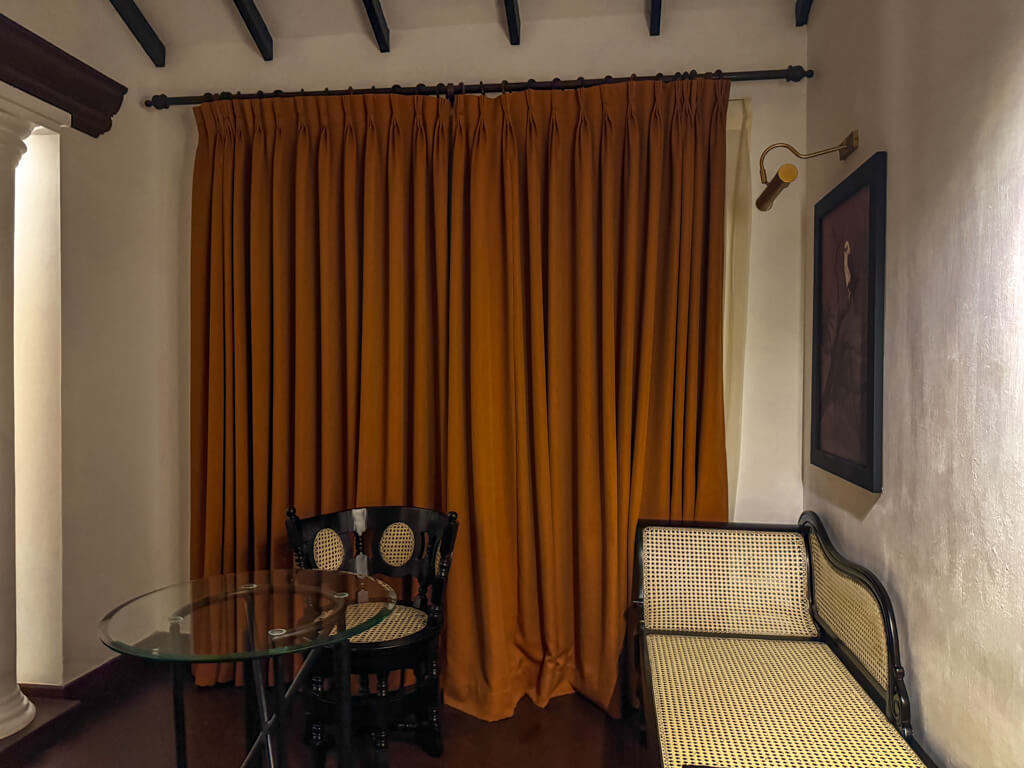
Located in the center of Habarana, Cinnamon Lodge Habarana offers a serene escape surrounded by greenery and lake. With 138 elegantly designed rooms, this resort is one of the top choices for hotels in Habarana, where you won’t compromise central location with enjoying the lush countryside of Sri Lanka.
There aren’t much dining options outside of hotels, and the buffet at Cinnamon Lodge Habarana has a great selection of international and local food. There are live cooking station as well as salad, bread rolls, and a good dessert spread.