Asia
A day trip to Cijin – Kaohsiung’s Murano
Jan
Cijin or Qijin is an island offshore of Kaohsiung that was once the core of Kaohsiung, along with Yancheng district across from it. The long and narrow island makes Kaohsiung an ideal port. If you like history and photogenic spots, a day trip to Cijin is a perfect choice.
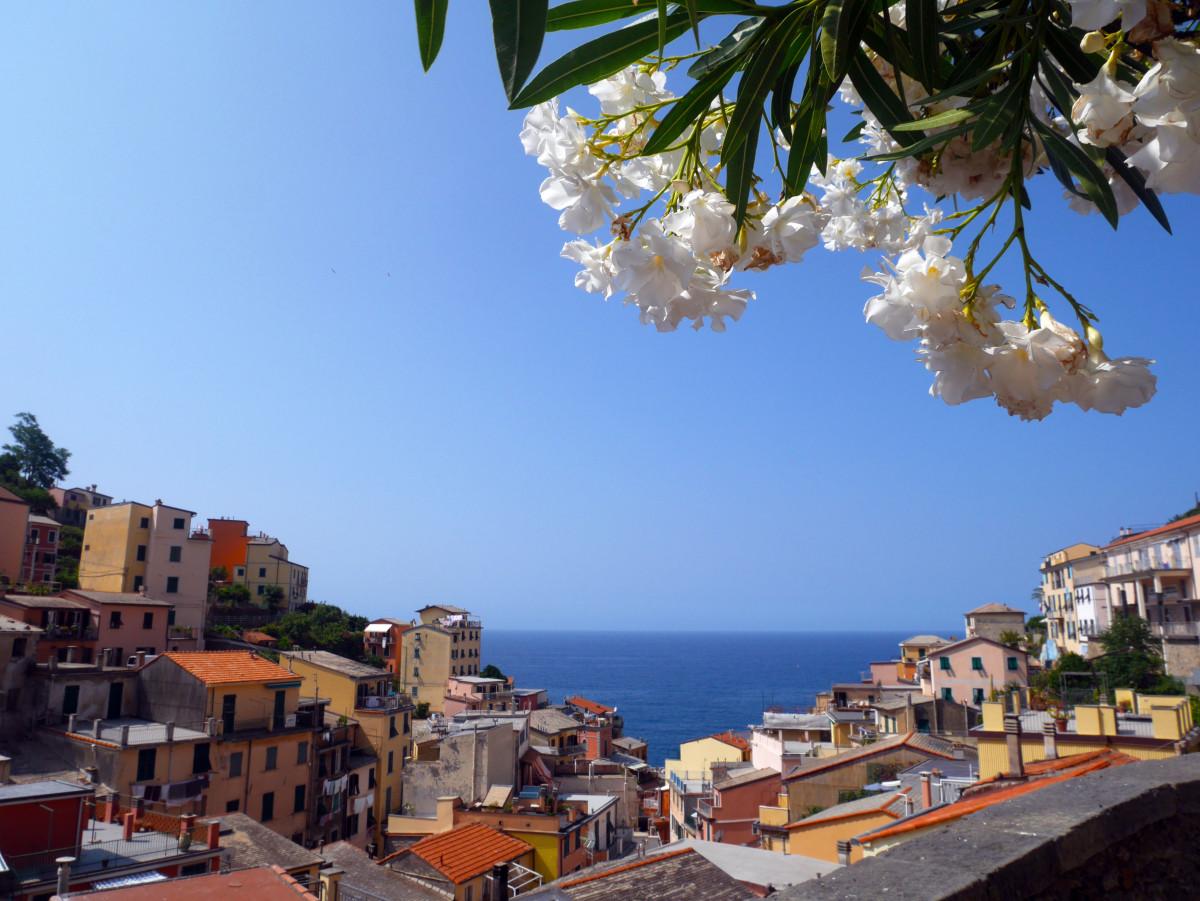
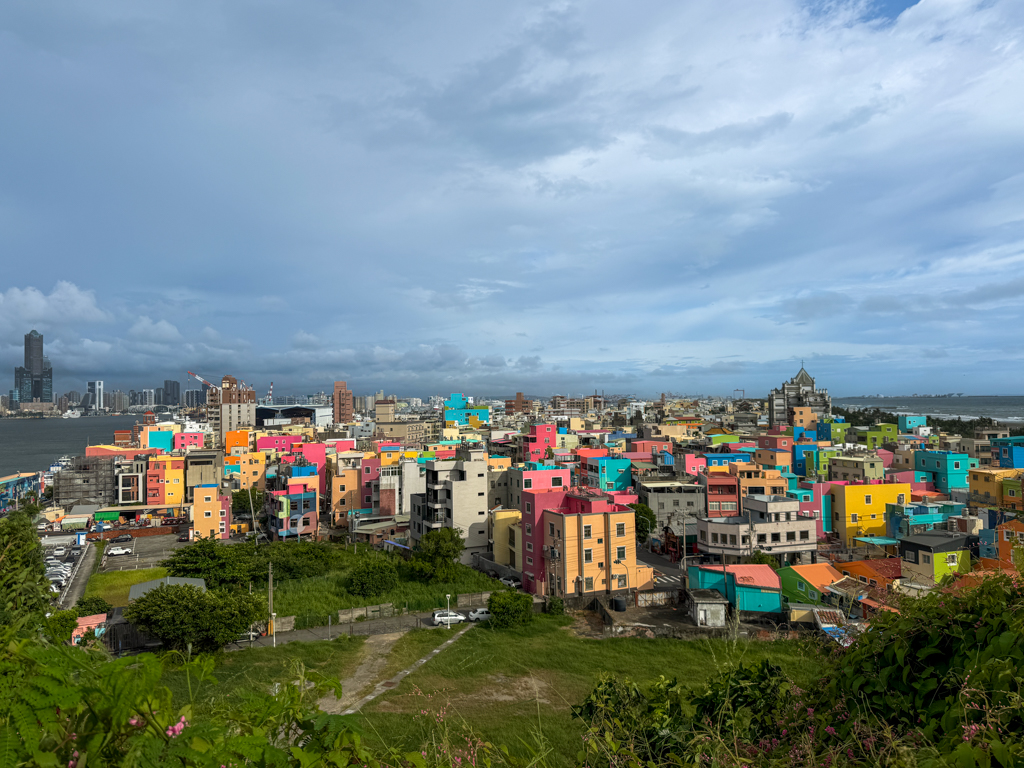
While it seems like a small island – it is packed with history and makes for an excellent half-day or day trip during your trip to Kaohsiung. It genuinely surprised me with the views and the history, and the view altogether reminds me of Murano in Venice!
- Combine it with a trip to Yancheng
- See my Taiwan page for more travel info
Table of Contents
History of Cijin

The small island was first inhabited by local fishermen who saw the potential of it as a harbour shelter. Then it was colonised by the Dutch, who built Fort Cijin to safeguard their interests, which was later used as a stronghold by the Ming Dynasty remnants who escaped the Qing Dynasty forces.

Cijin Island, just a short ferry ride from Kaohsiung, is a delightful gem that combines rich history with a vibrant local culture. Originally home to indigenous tribes, this small island saw its first significant transformation during the Dutch colonial period in the 17th century when they built Fort Cijin to safeguard their trading interests. Following the expulsion of the Dutch, the island became a military stronghold for Koxinga’s Kingdom of Tungning and later thrived under Qing Dynasty rule, evolving into a bustling hub for fishing and trade.

Fast forward to the Japanese colonial era, and Cijin embraced modernization with improved infrastructure and a burgeoning tourism scene. Today, it’s renowned for its stunning beaches, mouthwatering seafood, and charming historical sites like the iconic Cijin Lighthouse. With its blend of historical significance and modern attractions, Cijin Island is not just a feast for the eyes but also a slice of Taiwan’s vibrant heritage, inviting travelers to savor both its past and present.
Getting to Qijin/Cijin 旗律
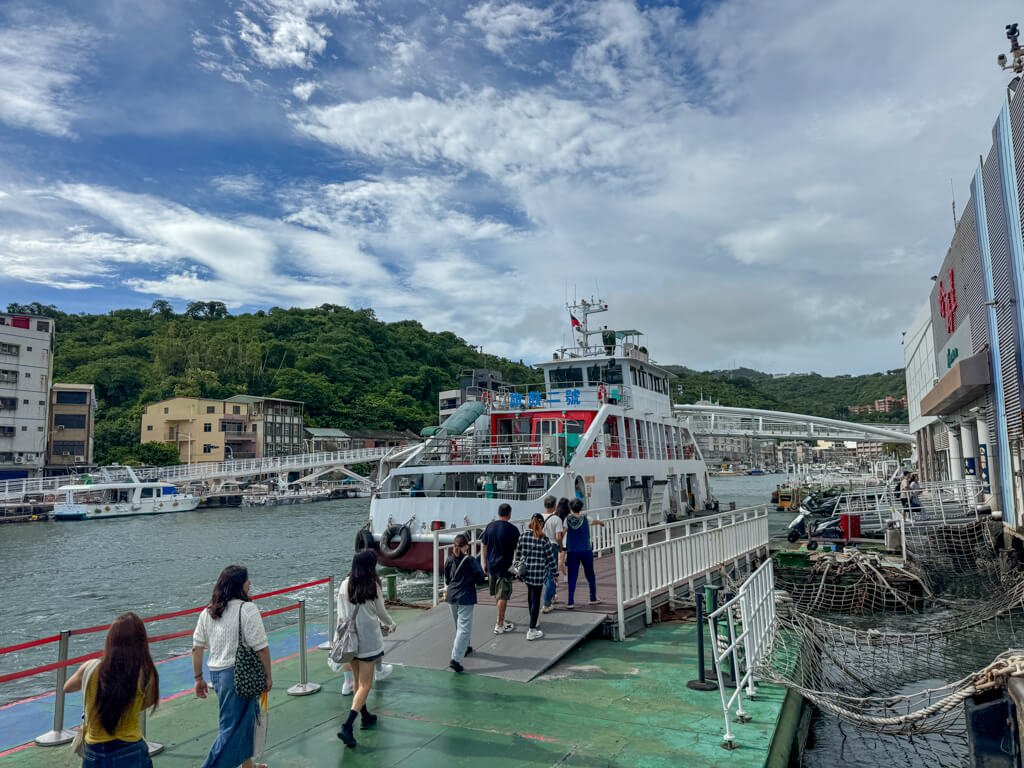
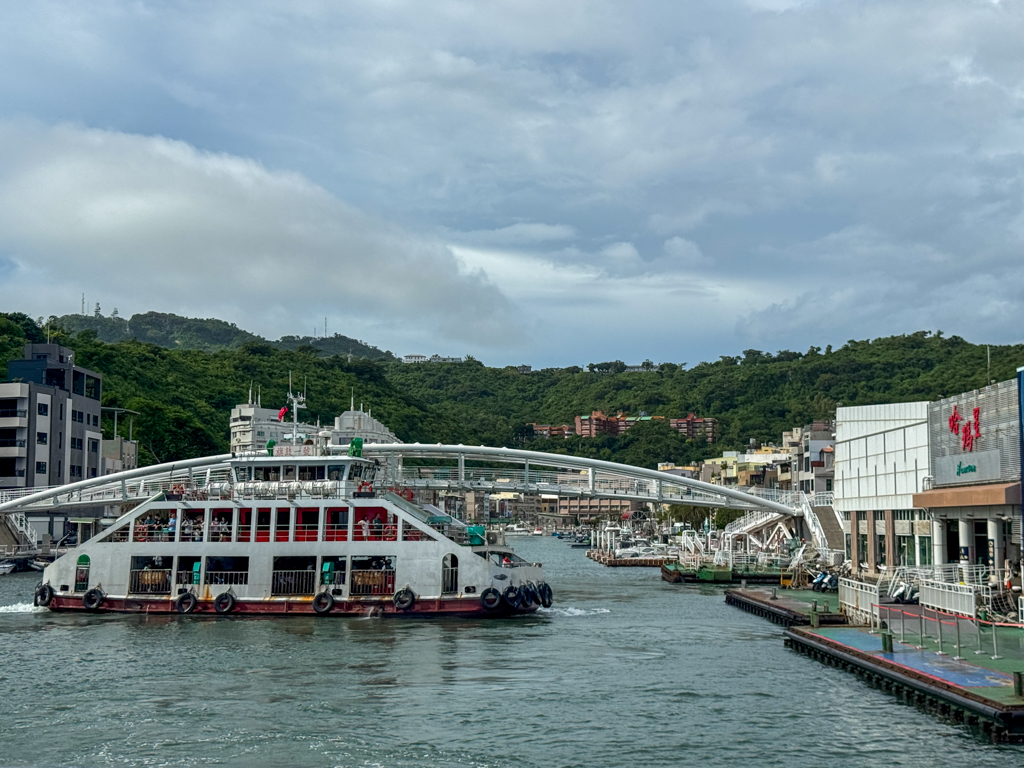
Most of the attractions are on the northern end, the most economic and convenient way is to take the ferry from Gushan Ferry Pier Station 鼓山輪渡站, which is a 10 minute walk from the end station of the Orange line Hamasan 哈瑪星.
Note that the pedestrian entrance is located next to the convenience store.
Gushan Ferry Pier Station 鼓山輪渡站
Ferries run frequently
Cost: 30 NTD per ride, can pay by Easycard
Getting around Qijin

If you plan on just doing the highlight around the pier and lighthouse, you can easily walk around everything in a few hours.
However, there are many bicycle rentals if you want to make this a full day trip and go down south.
Mount Cihou 旗後山
Mount Cihou is the hill on the northern end of the Qijin island, and the literal translation means “the mountain behind Qijin”.
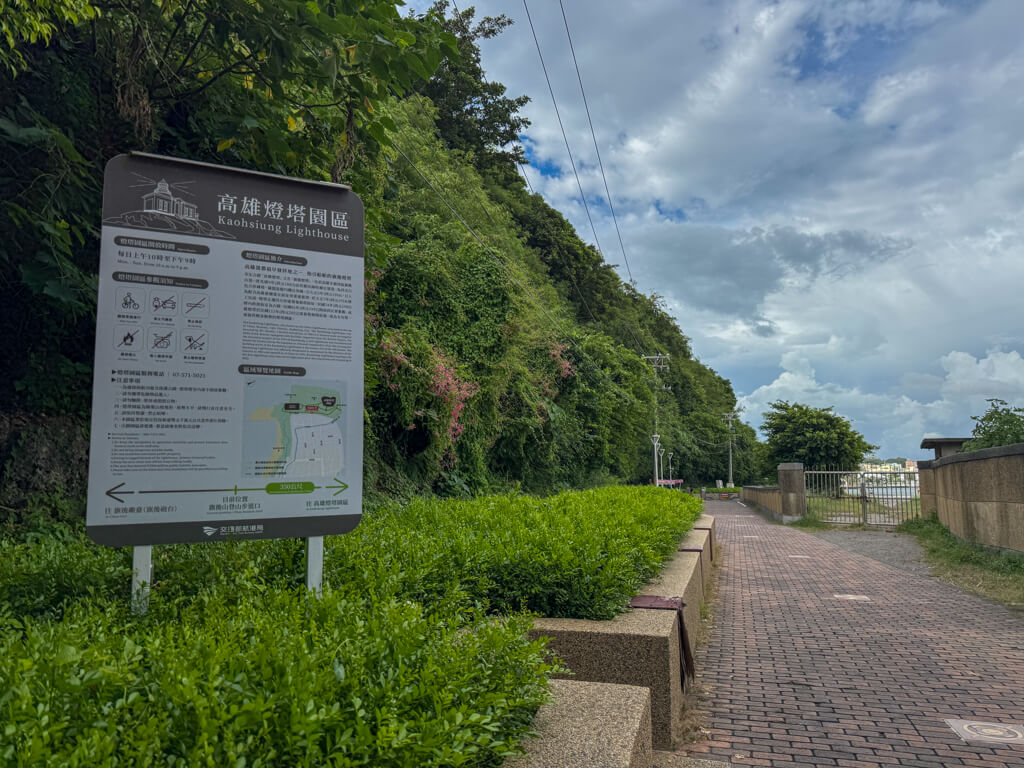
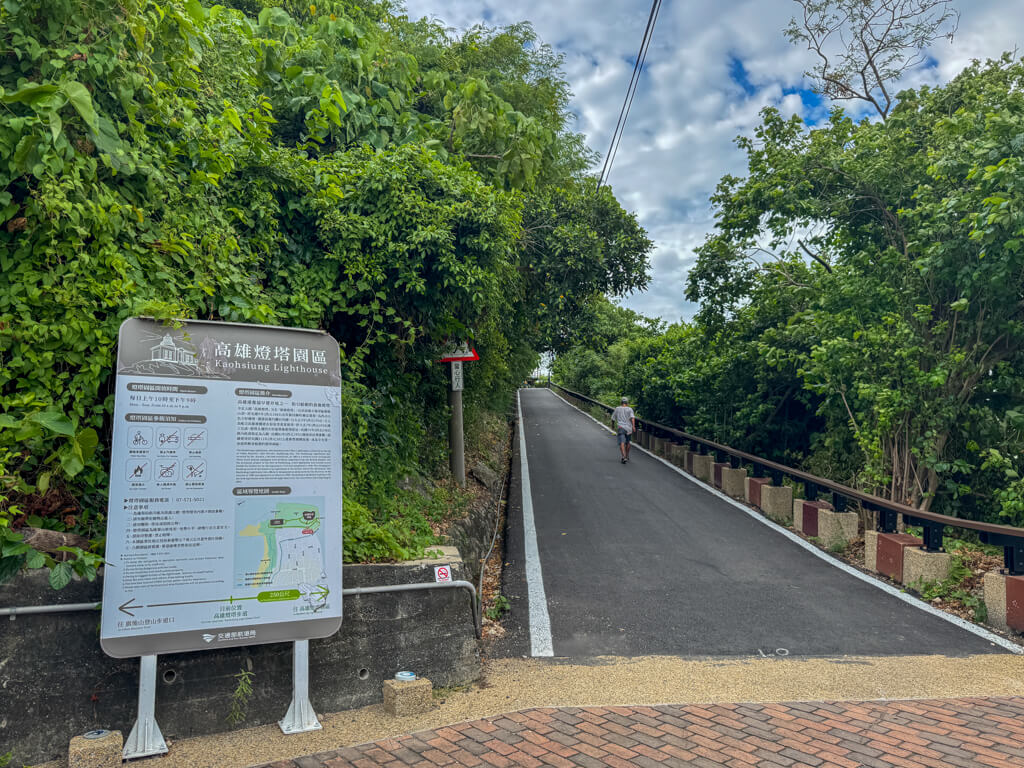
It has two main historic monuments: the Kaohsiung Lighthouse and the Qihou Fort, and is the major attraction to visit in the area. While it is not a very tall mountain, climbing up during the humid summer is not to be underestimated!
There are a few places to start the hike, but I recommend walking through the Cijin Old Street, then turning right to the end of the street to start the ascent in the order below:
Halfway Lookout

The halfway lookout is a little raised platform for you to admire the view of Yancheng and Cijin, but mostly Yancheng across the small stripe of sea. And a good place to take a break!
https://maps.app.goo.gl/9aWuzNQ1Gf1Nxk6o8
Kaohsiung Lighthouse
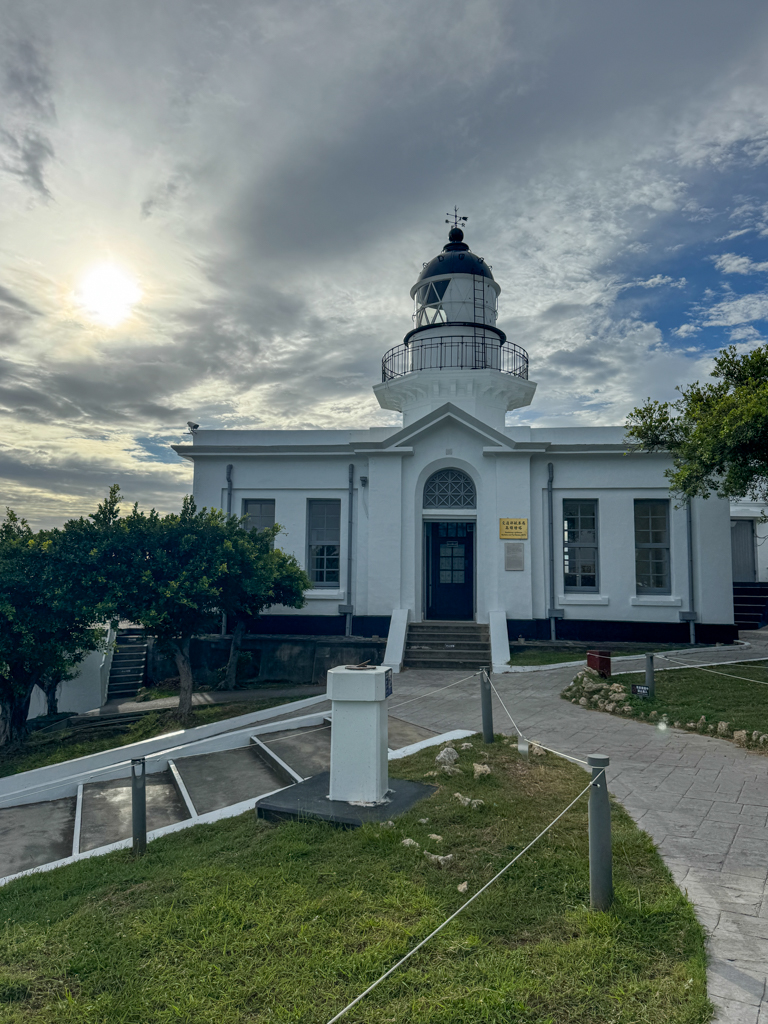
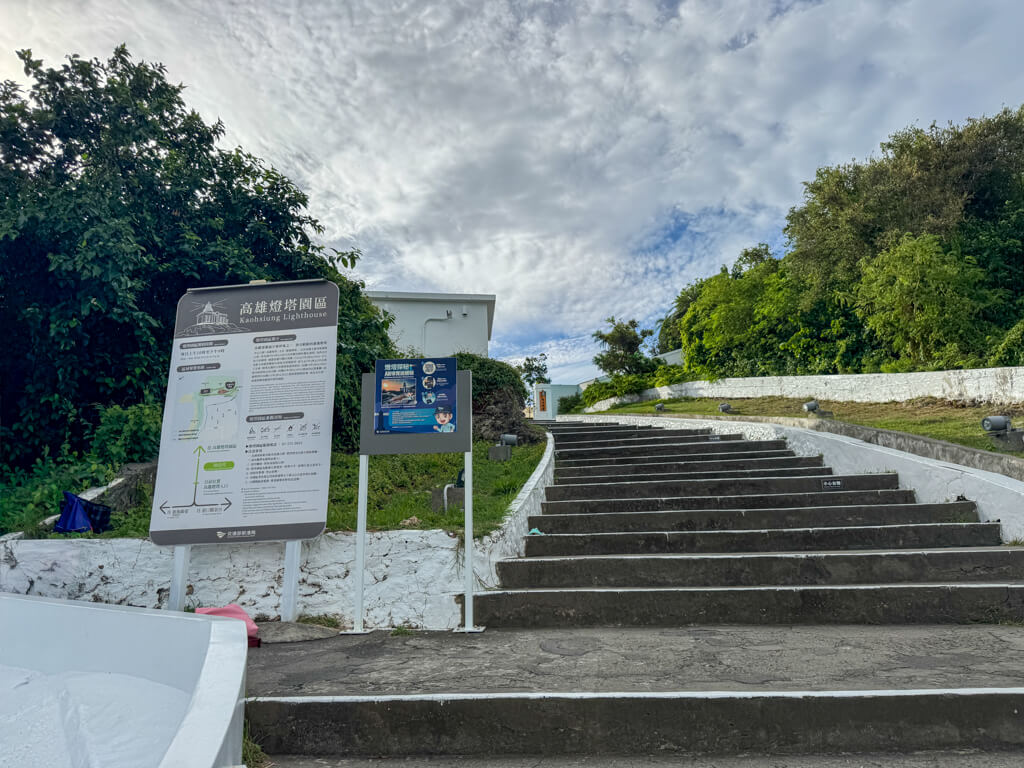
The beautiful white lighthouse of Cijin was first built in 1883 by the British as a red brick building to oversee the growing trade. It was rebuilt in 1918 by the Japanese to its current Baroque style and the compound offers a beautiful 360 degree view.
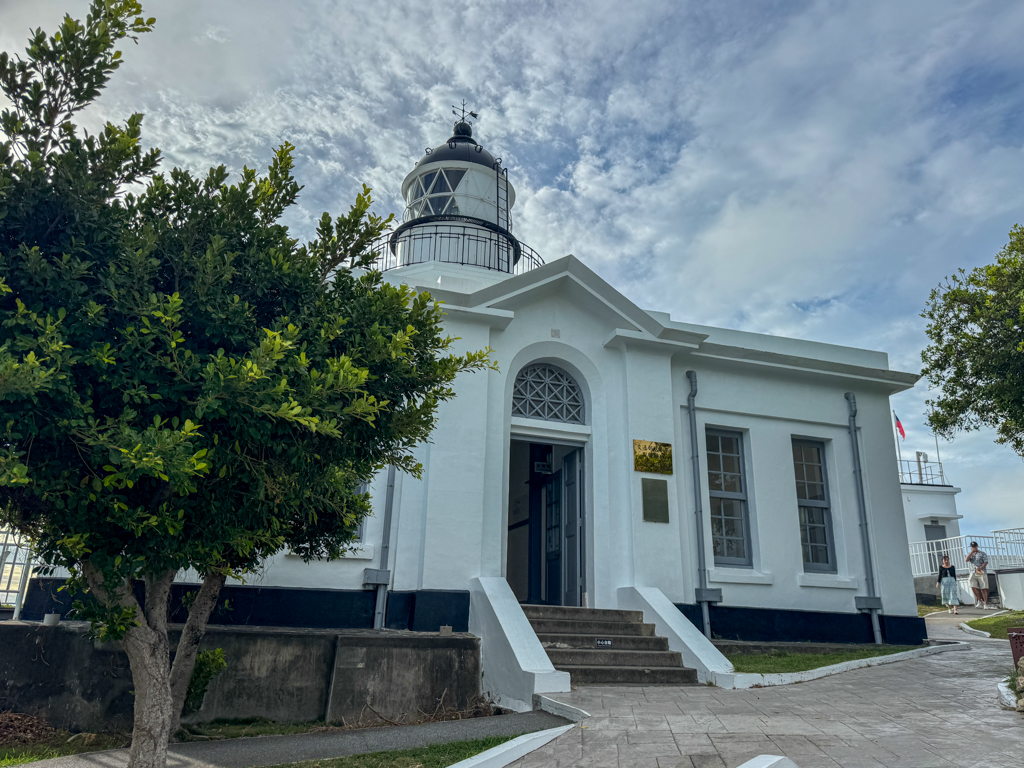
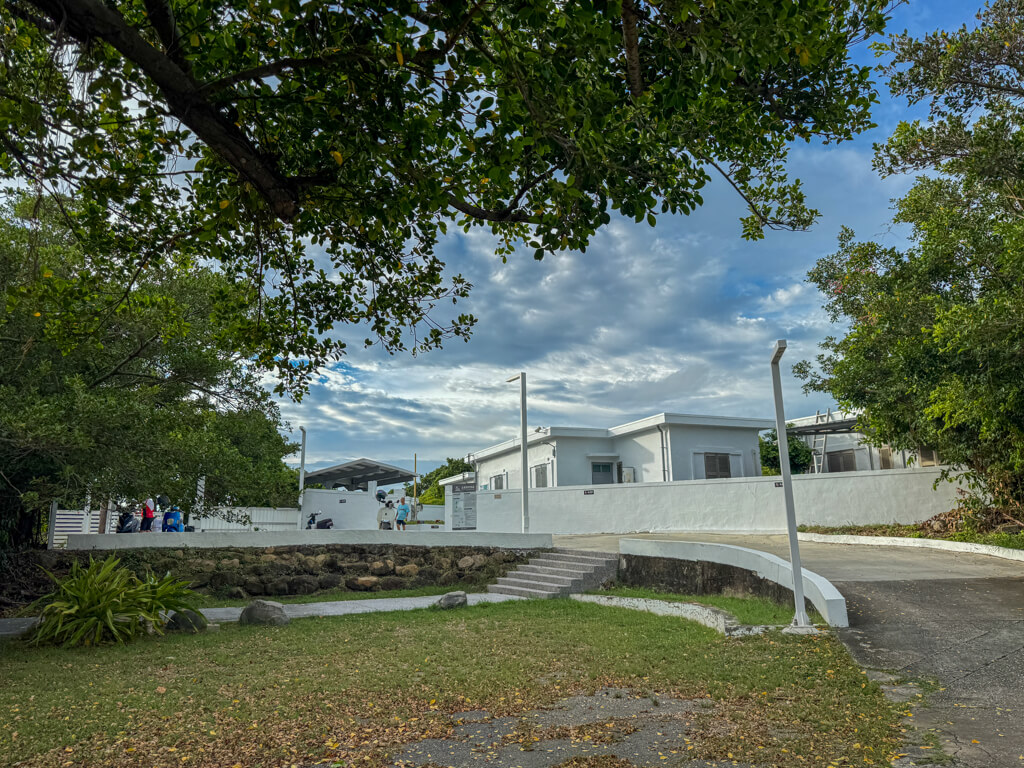
You can visit the interior to see maritime exhibits. There is also a cafe and outdoor tables, and seating on the viewing platform outside of the lighthouse.
https://maps.app.goo.gl/uVdzBvmafn6Hrw339
Mount Cihou
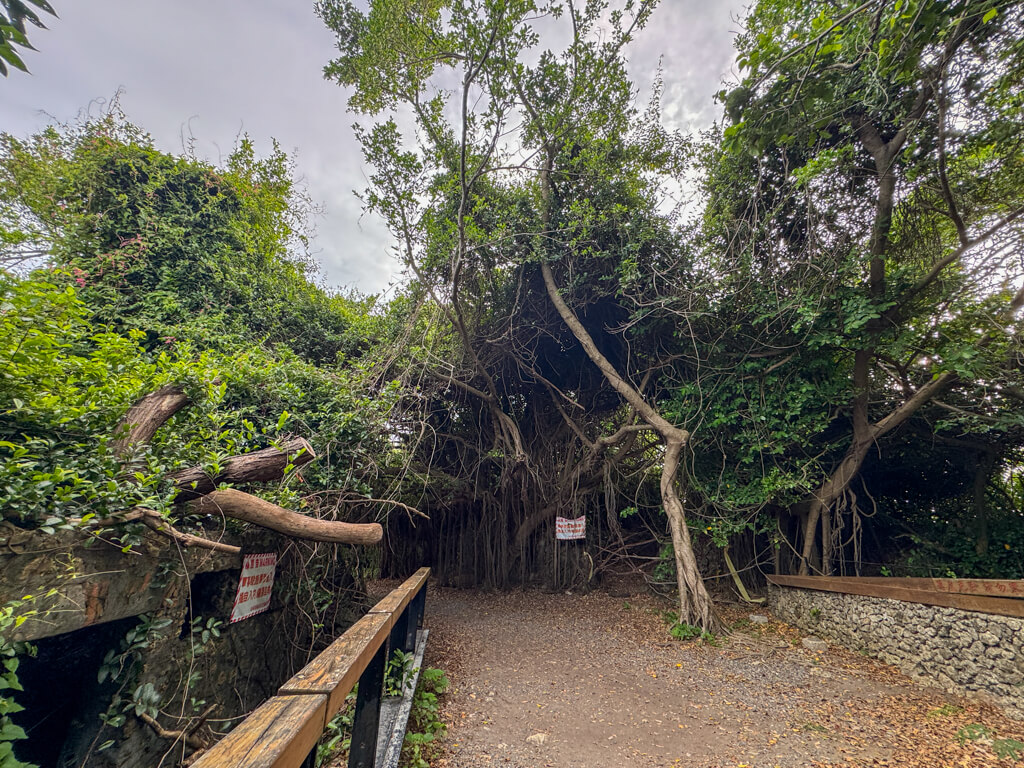
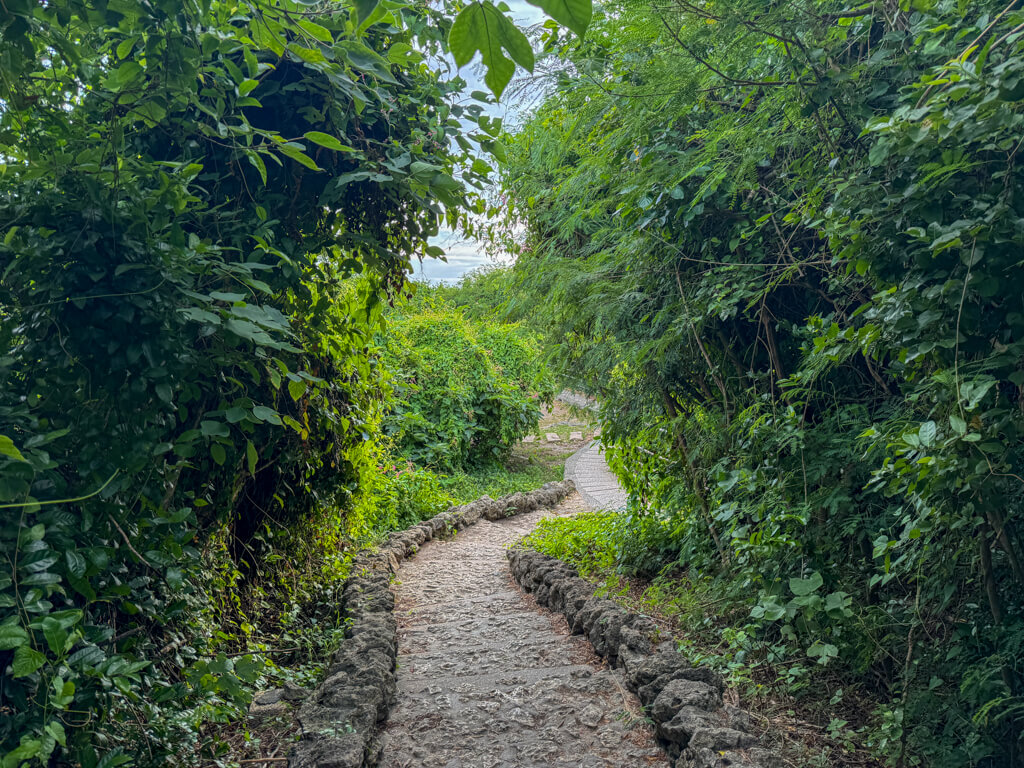
From the lighthouse, you can walk on top of Mount Cihou to the Fort, and it’s a shaded walkway with glimpses of the Cijin Island view that
Qihou Fort
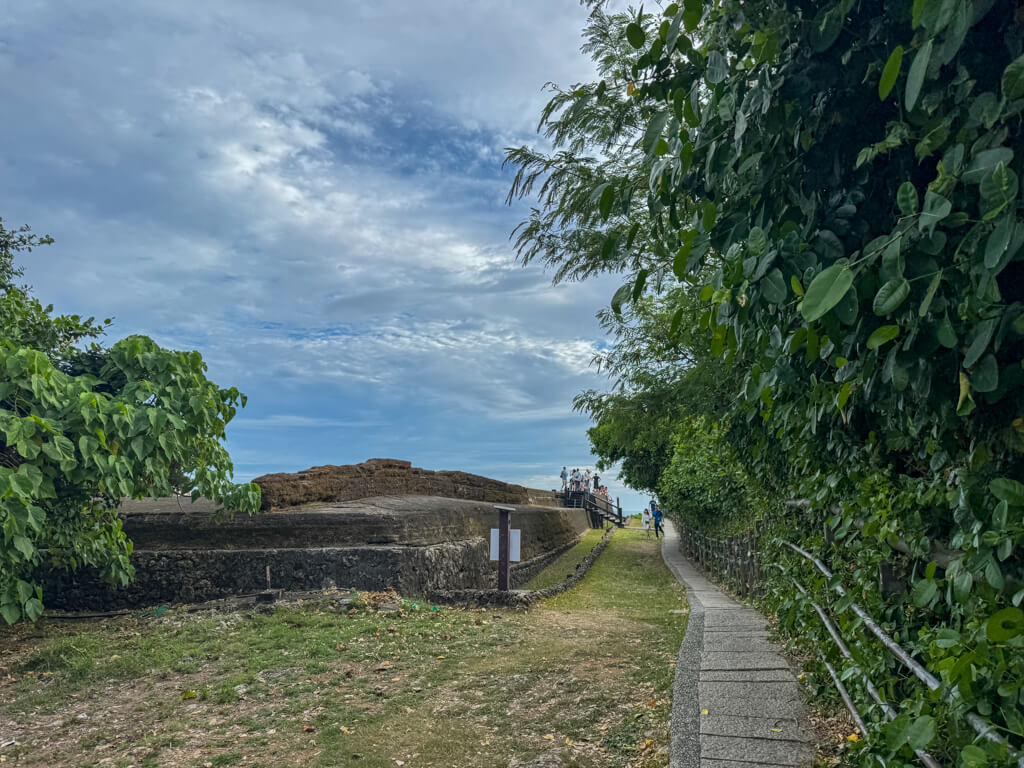
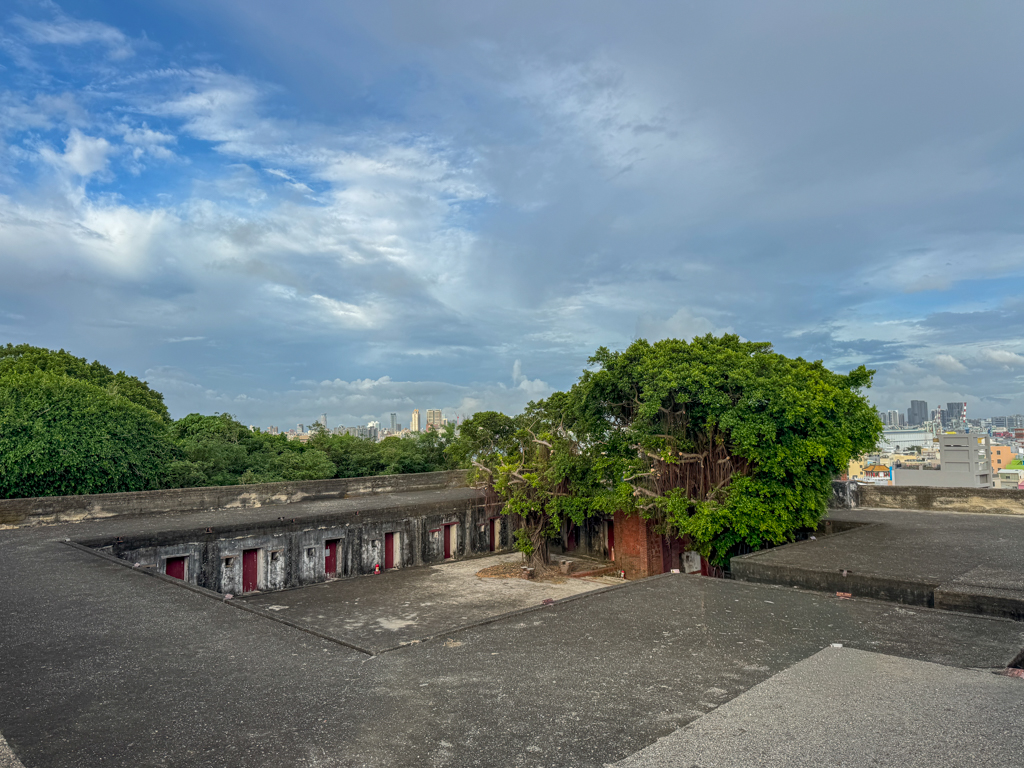
If you have walked from the lighthouse to the fort like me, the fort initially looks nothing more than raised structures left to ruin. But what we can see is actually the highest side with fortifications dug into the body of the hill. Although now it’s nothing more than a view point facing the open sea to the north and the rest of Cijin to the south.
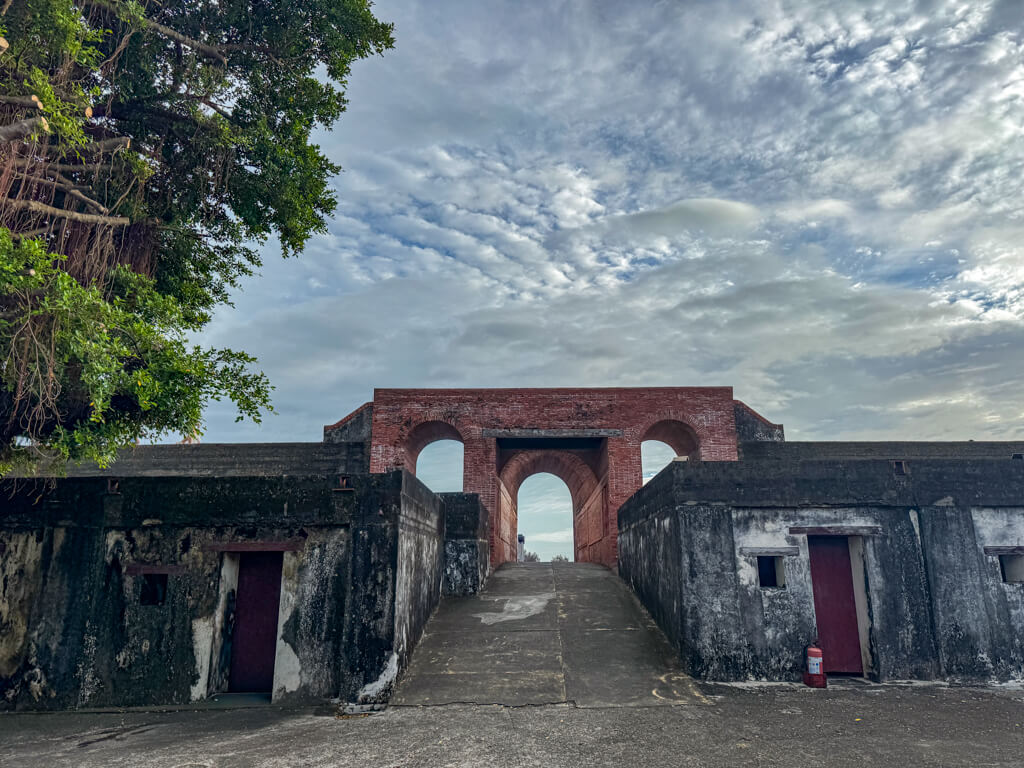
Built in 1720 during the Qing Dynasty, this fortification was initially constructed to protect against external threats. The Qing Empire, under the Manchu rule, sought to establish a stronghold in the region.
By 1880, Cihou Fort underwent significant upgrades, including the installation of modern Armstrong guns, signaling its transformation into a strategic military outpost. Interestingly, while it stood ready during the Sino-French War, the fort saw no action as conflicts raged nearby, particularly around Keelung.
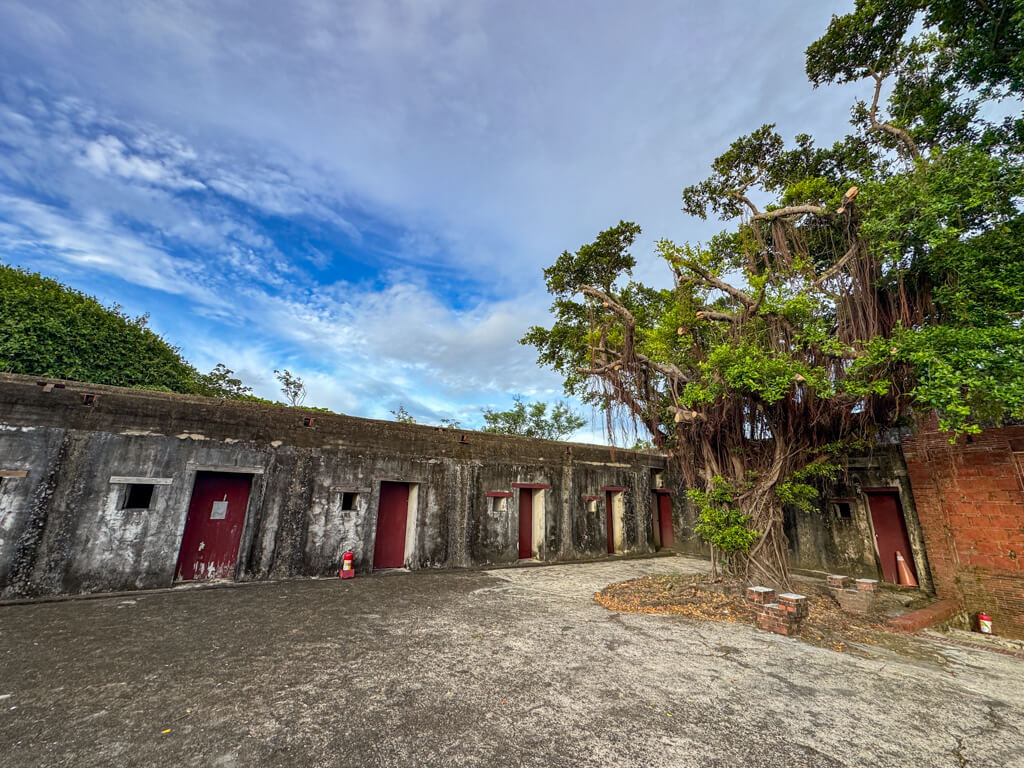
Cihou Fort’s significance surged during the first Sino-Japanese War. After the Treaty of Shimonoseki ceded Taiwan to Japan, local forces continued to resist. A pivotal moment unfolded on October 12, 1895, when Japanese admiral Arichi Shinanojo led an attack on Takow (today’s Kaohsiung), prompting foreign evacuations. The following day, Japanese warships launched bombardments against Cihou Fort, which, despite returning fire, fell silent after only a short engagement. The fort was eventually captured without Japanese losses, marking a decisive point in Taiwan’s history.
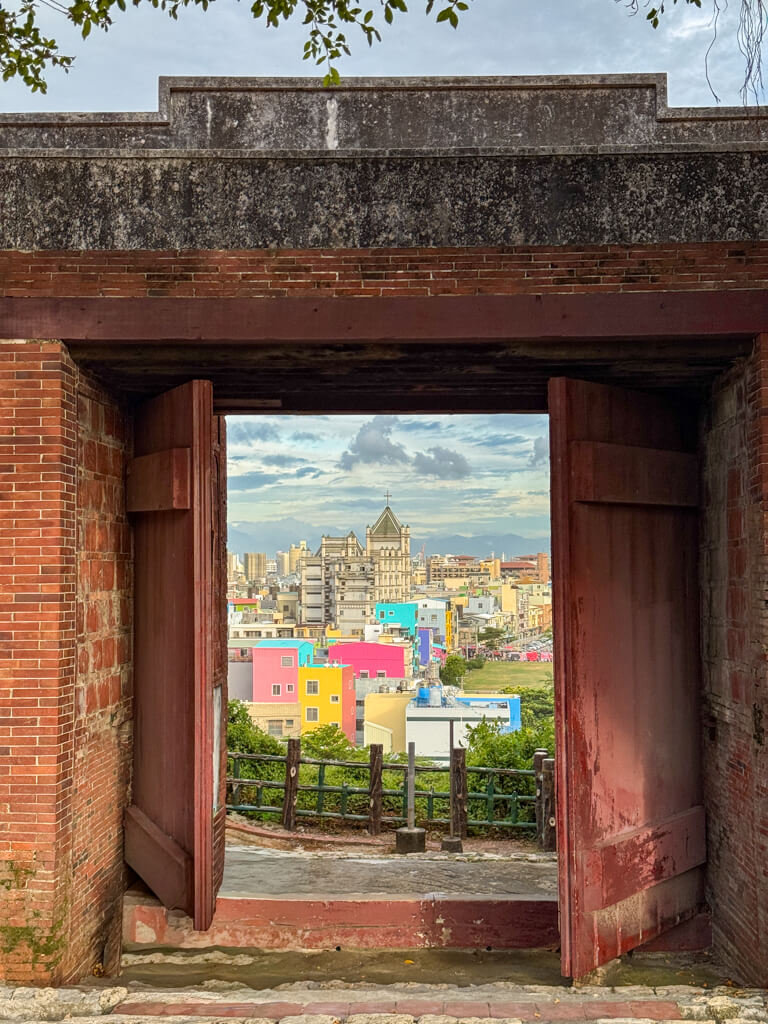
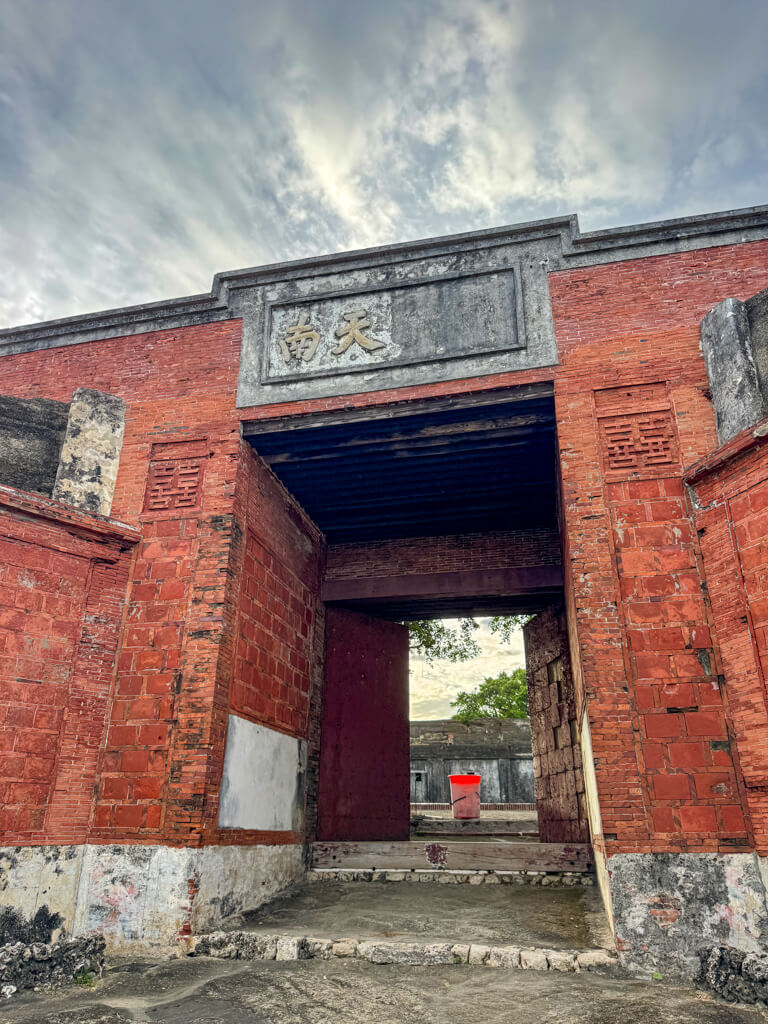
Interestingly, Cihou Fort saw little use during the Japanese era and was largely forgotten. However, after World War II, it was fortified again by the Chinese army, with remnants of gun and machine gun nests still visible today.
P.S. you can walk down into the fort which is quite fun and most tourists don’t seem to notice that the front of the fort. It’s a dead end but an interesting place to see and you can take in the view, too.
Cijing Tunnel
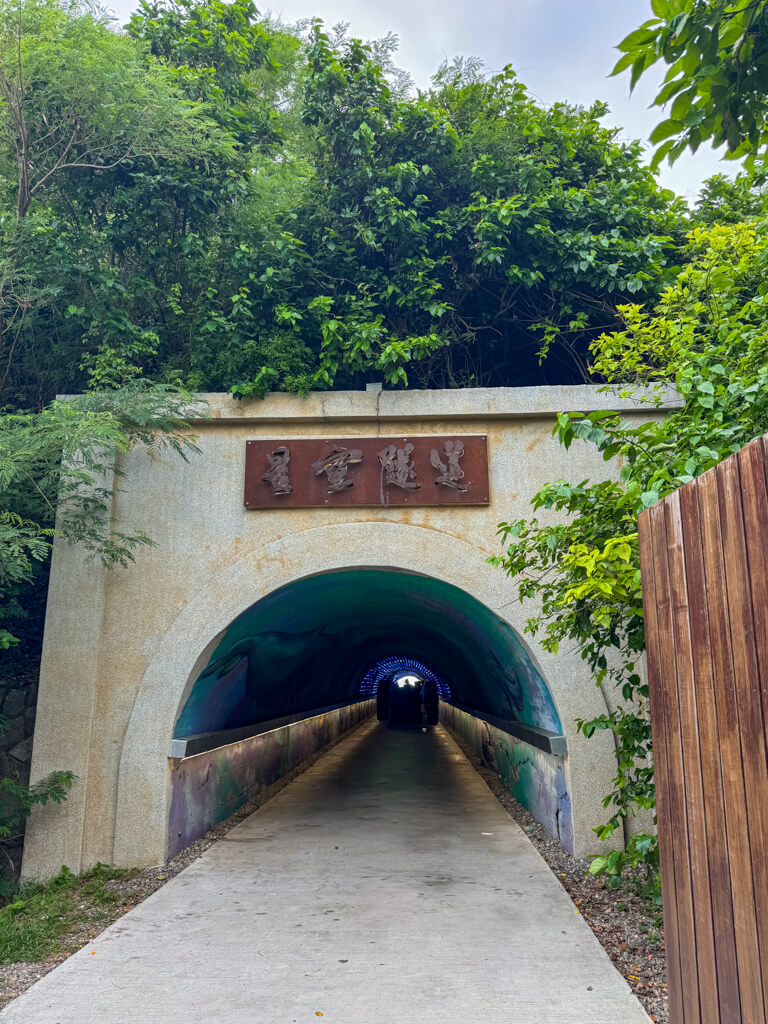
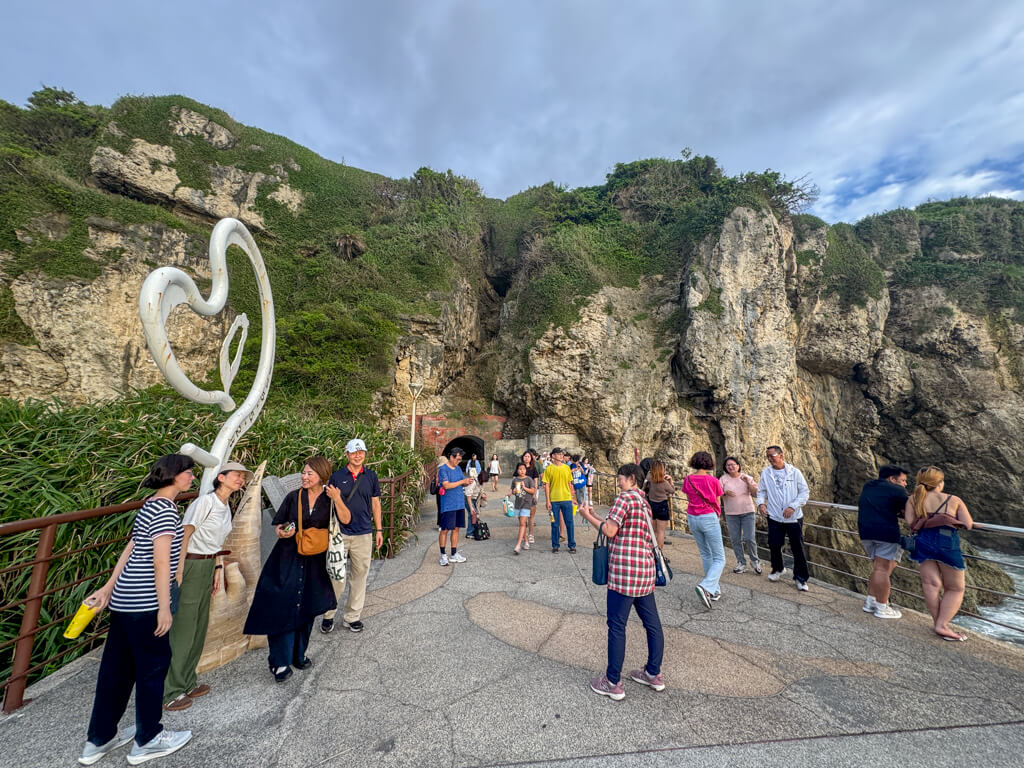
From the fort, it’s a much more gentle slope to go down towards the Cijing Tunnel, which is a famous now a photo spot. The tunnel was originally built by the Japanese during the occupation for military purposes, but now the city has installed wooden walkway and constellation ceiling!
Seahorse Embankment 海馬堤防
The seahorse embankment extends on the northwestern end of Cijin and named after its slightly irregular shape and resemblance.
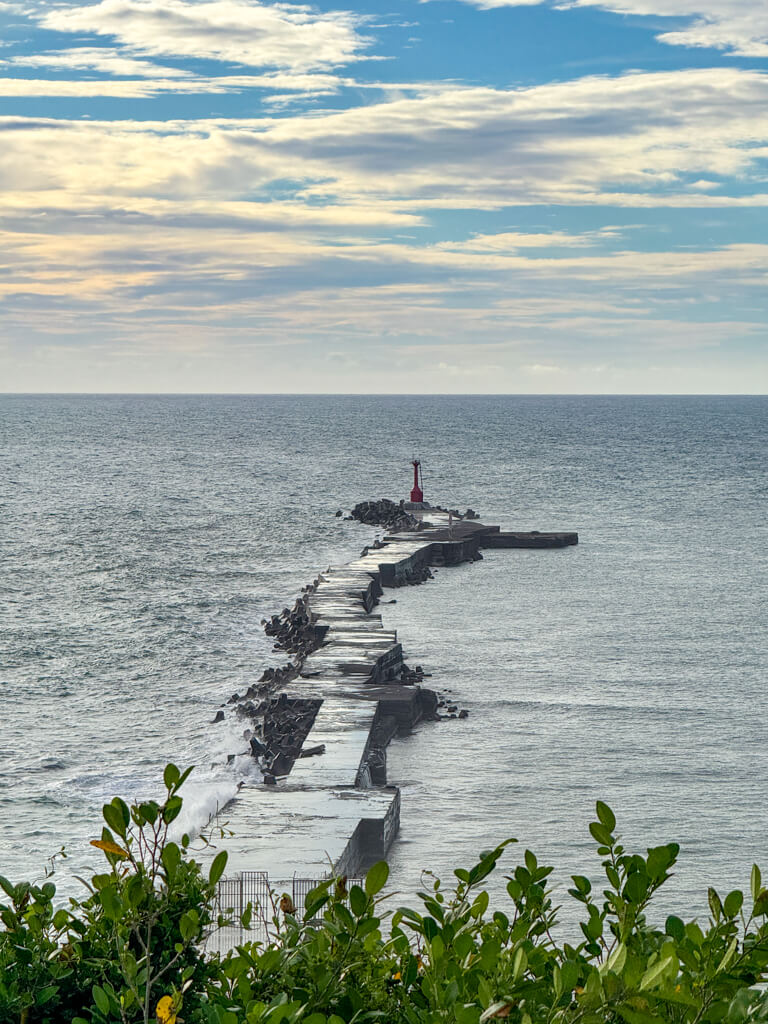
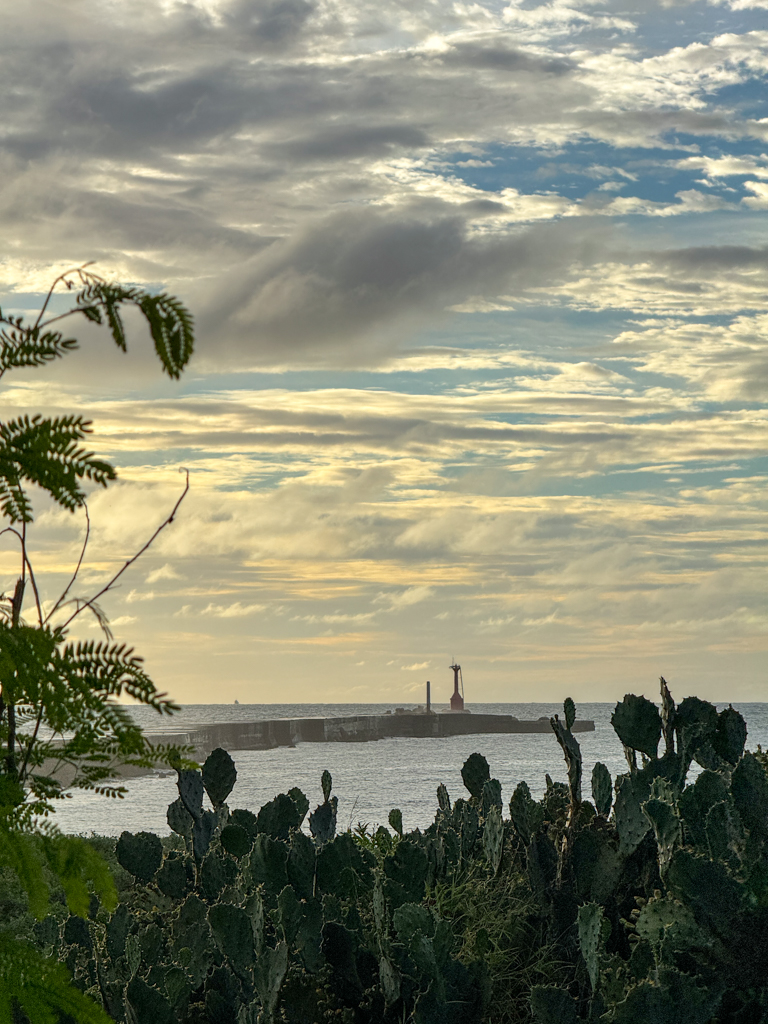
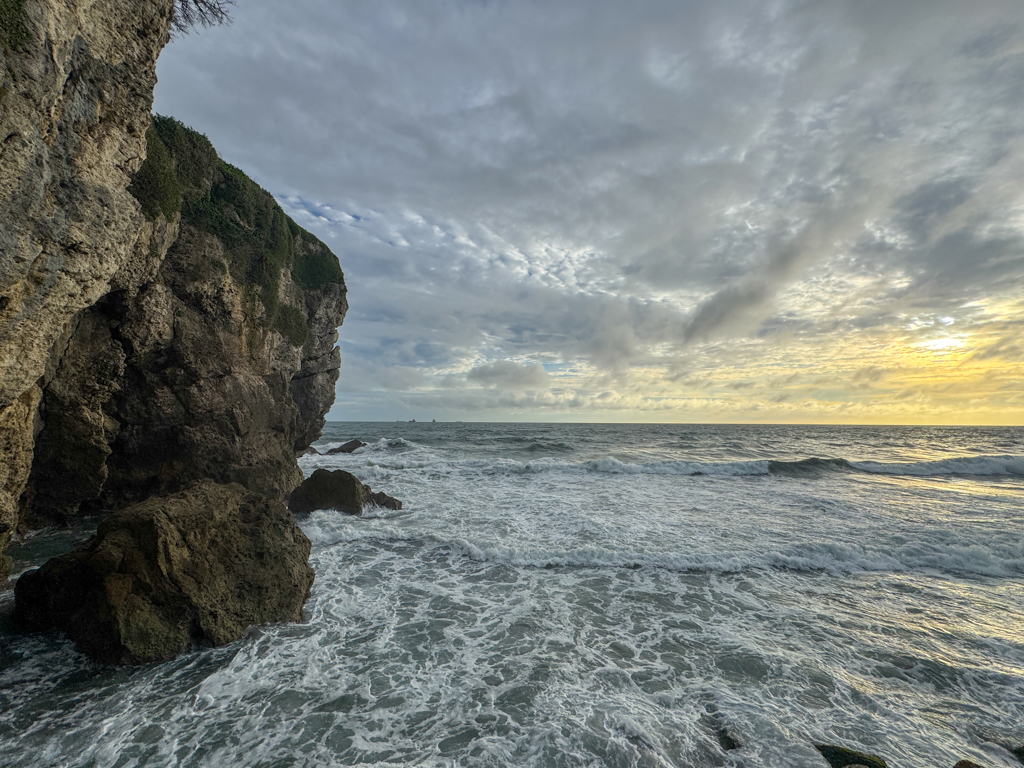
You can see it from the top of Mount Cihou and on the fort, where it already looked surreal. But I truly felt the force of the ocean when I walked out of the tunnel facing the Seahorse Embankment.
The waves are very big, and naturally, the embankment is closed off. Most people cross back through the tunnel, but I recommend going to the right along the coastline for a nice walk back.
Cihou Mountain Back Promenade 旗後山濱海步道
Most people don’t choose the long way to get back out of Mount Cihou, but I found this to be a really lovely walk. It’s mostly flat with a lovely sea view most of the way, then into the trees before you see the main town of Cijin again.
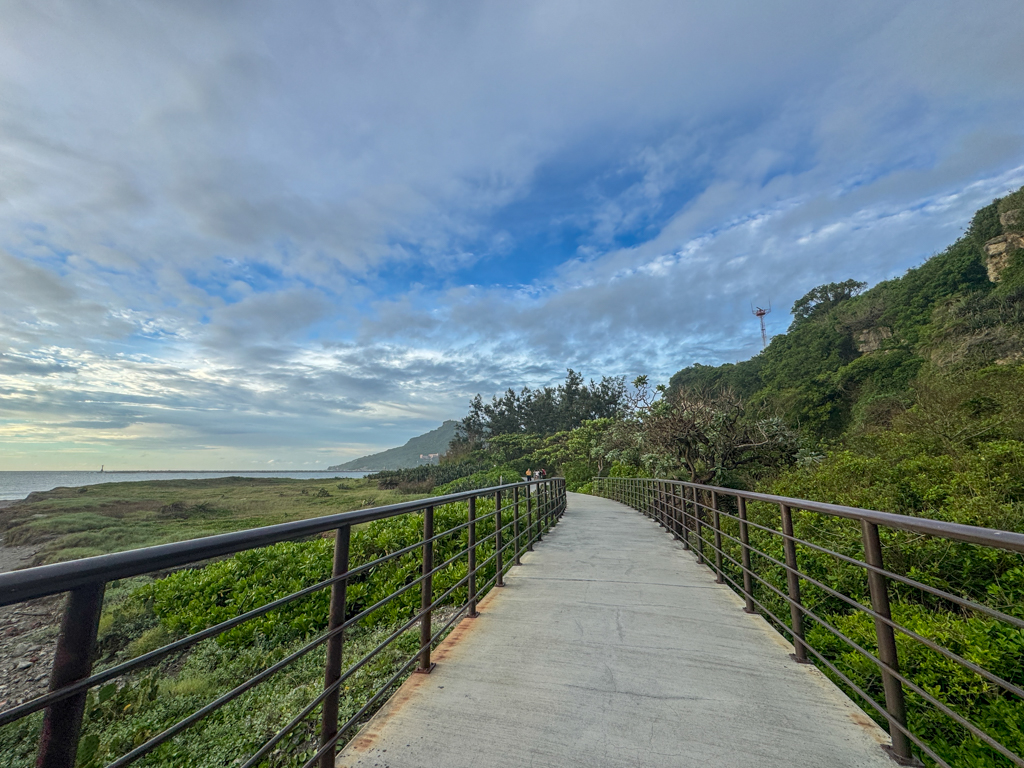
There were a lot of fishing uncles, and I liked seeing the big sign for the ferries. And it’s a short walk to the port to get back over to Yangchen!
https://maps.app.goo.gl/V2Nva2UY7y4E7NYu5
Cijin Old Street
The Cijin Old Street is easy to find from the port and likely the first place you’ll reach. It is essentially just a high street but do pay a visit to the Tin Hau Temple. Although the current one was refurbished only in 2020, it was originally built in the 17th century under the Ming Dynasty rebels who fled from the Qing Dynasty to Taiwan.
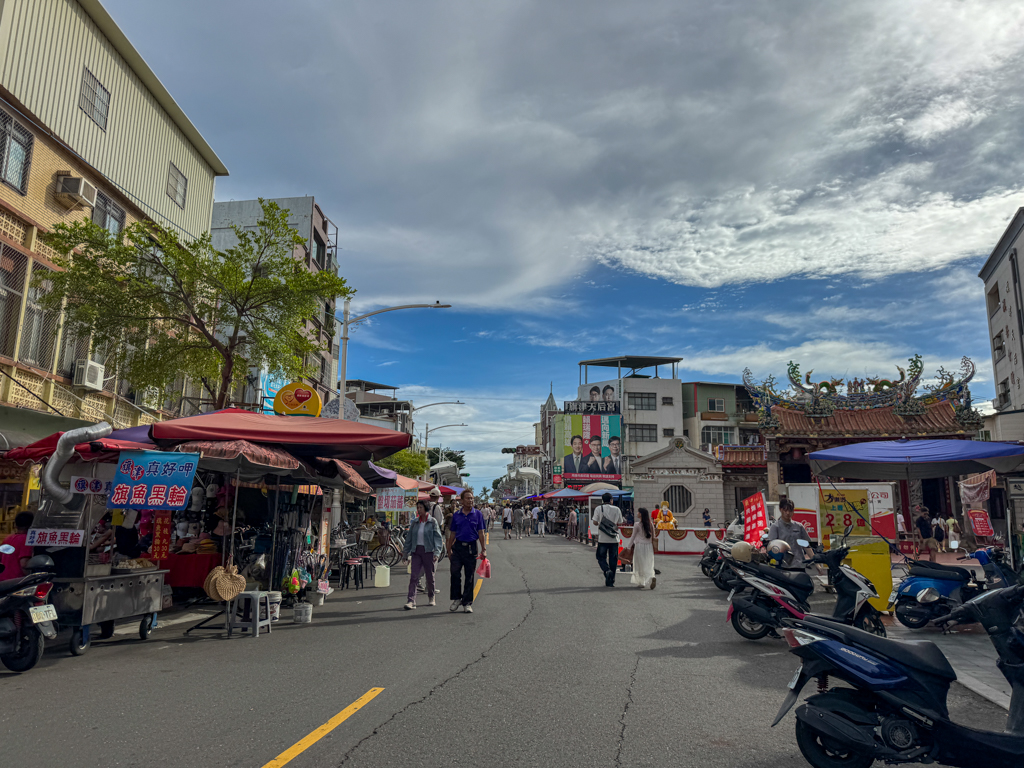
It underwent 5 more renovations before the 2020 iteration, and although it’s small, it represents the long standing Taoist sea-faring culture of the Chinese people.
Cijin Beach

The Cijn Beach is most famous for its black sand and you can see it from Mount Cihou. It stretches for 10km and makes for a popular place to sunbath, hang out with friends, walk or cycle down the length.
Rainbow Church
While I didn’t make it that far south in Cijin, there is a famous rainbow church that people like to visit and take photos with! It is not really a church also, but rather rainbow coloured framed structures.
What to eat on Cijin
Most of the restaurants and food options are clustered around the main street. There are a lot more good cafes and restaurants in Yancheng, and I only stopped by to get a bubble tea while I was on the island.
But here are a quick list of things/places to eat:
- 旗津昌記旗魚黑輪 is famous for their ‘fish tempura’ which looks more like a fish cake to me!
- 椪嫂蕃薯椪 serves up great value for money fried sweet potato balls with syrup inside. Be careful when eating as it’s hot!
- 島民烘焙ISLANDER is a nice bakery if you want something to grab and go easily
- 吳家食堂 is a Taiwanese family style eatery with some home cooking options
- Handelaars (漢德那斯番菜料理) for western cafe vibes and more